Chapter 9: What I Want You to Do, Teacher
Learn practical ways teachers can support struggling or absent children, protect language dignity, connect lessons to daily life, and encourage civic discussion.
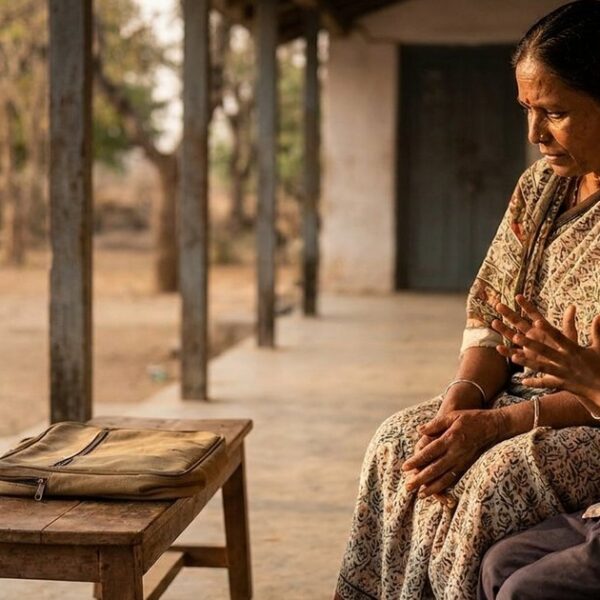
Learn practical ways teachers can support struggling or absent children, protect language dignity, connect lessons to daily life, and encourage civic discussion.
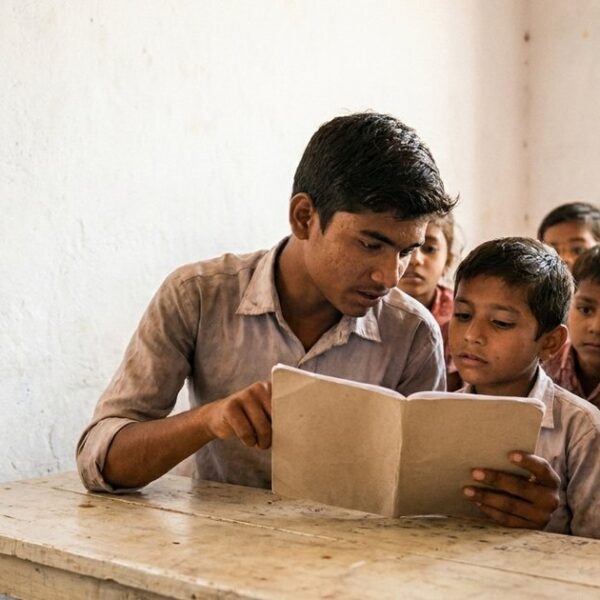
Learn how Barbiana used mastery learning, peer teaching, collective writing, news, and shared responsibility to support children and form active citizens.
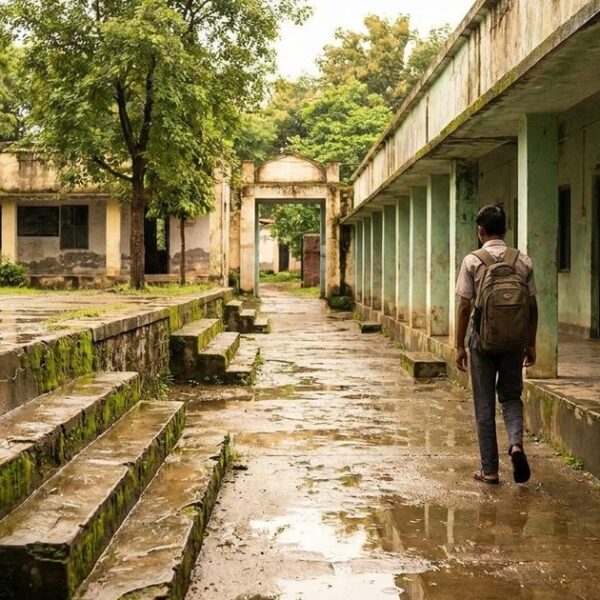
Learn how caste, tribe, class, location, and family resources shape dropout rates, learning gaps, school quality, and access to higher education in India.
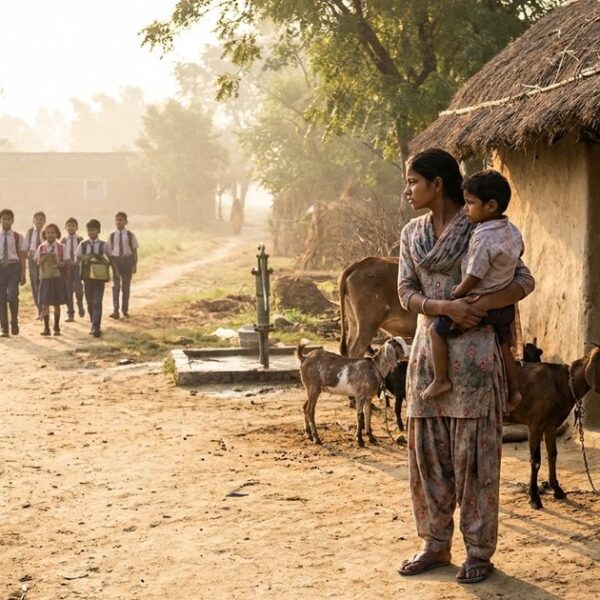
Read stories of children facing illness, caste discrimination, language barriers, poverty and migration, and learn how school failures shape dropout and achievement.
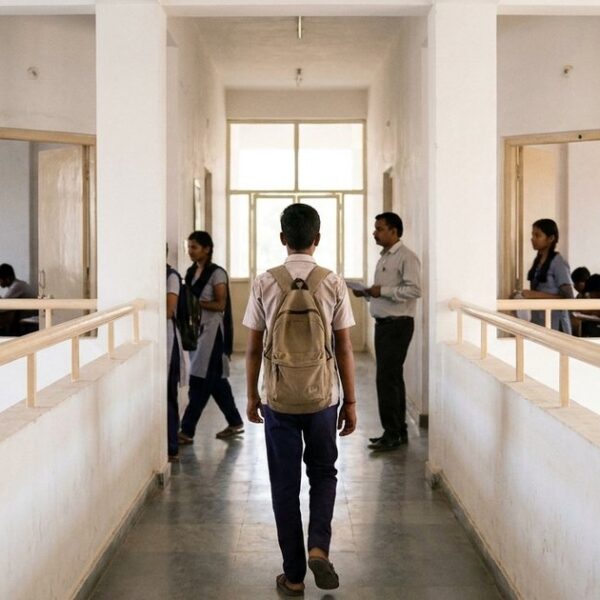
Learn how Indian schools and coaching centres turn education into exam preparation, shaping children, families, teachers, and the purpose of learning.
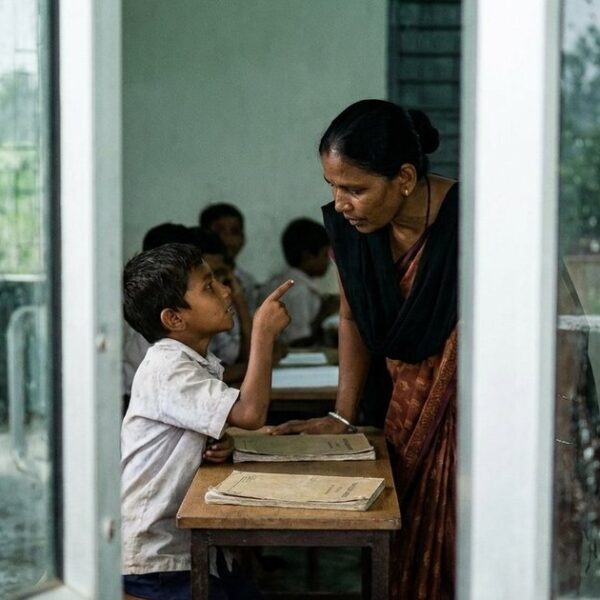
Learn how school language can exclude children, why home languages support learning, and how schools can teach dominant languages without erasing identity.
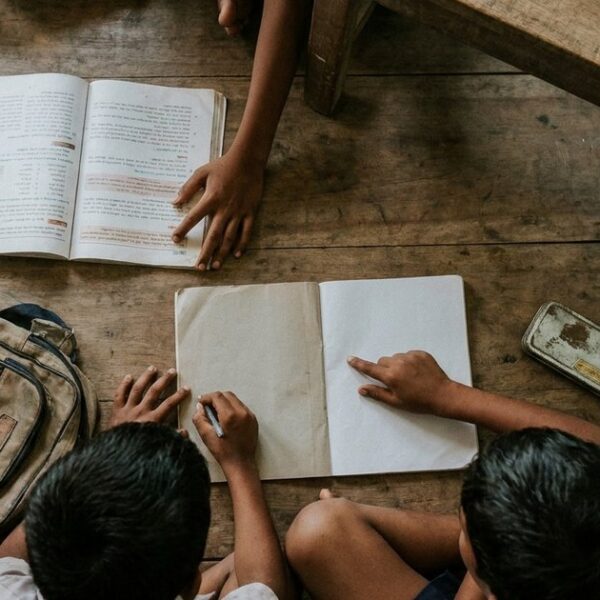
Compare how family life, language, school resources, and tuition shape Raju and Aryan’s education and widen opportunity gaps in India.
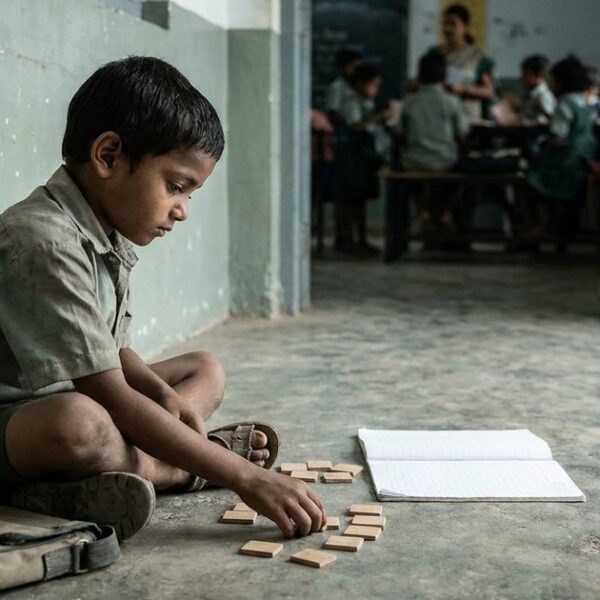
Learn how schools widen learning gaps when they reward prepared children, and why equal teaching must give extra time and support to those left behind.
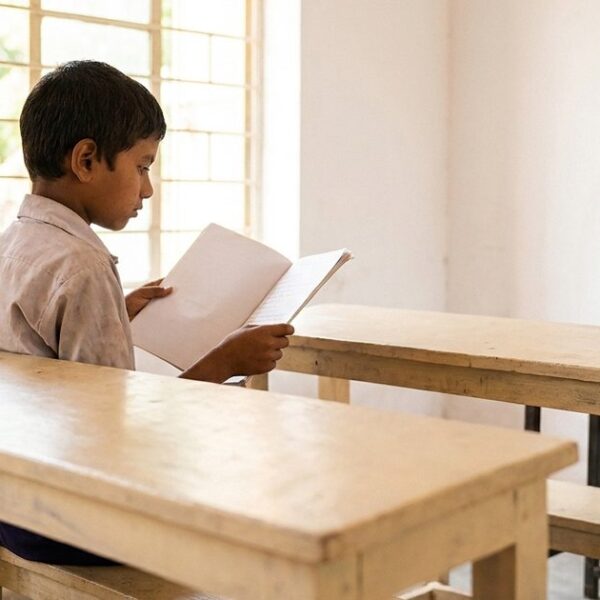
Learn why children from working families struggle at school, how language and limited support affect learning, and why schools must refuse to give up.
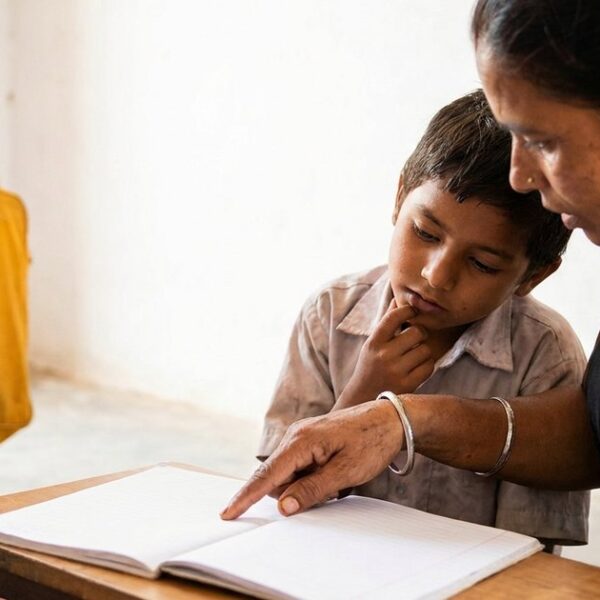
This note introduces What I Want to Tell My School Teacher, an Indian adaptation of Letter to a Teacher. It explains how the School of Barbiana inspired the ...