Appendix: A Parent’s Checklist
Use this parent’s checklist to support genuine education with AI conversations, local mentors, protected learning time, and small learning pods.
I'm Dr Aniruddha Malpani. For thirty years I have worked as an IVF doctor and an angel investor, and written about what I have learnt. Pick the path closest to what you are facing. Each one gathers my most useful posts in the order I would read them. If you have a question of your own, ask me in the chat, day or night.
One useful letter, every MondayThe best new post, one classic from the archive, and a reader's question answered. Free, and short.
Get the letter
Use this parent’s checklist to support genuine education with AI conversations, local mentors, protected learning time, and small learning pods.
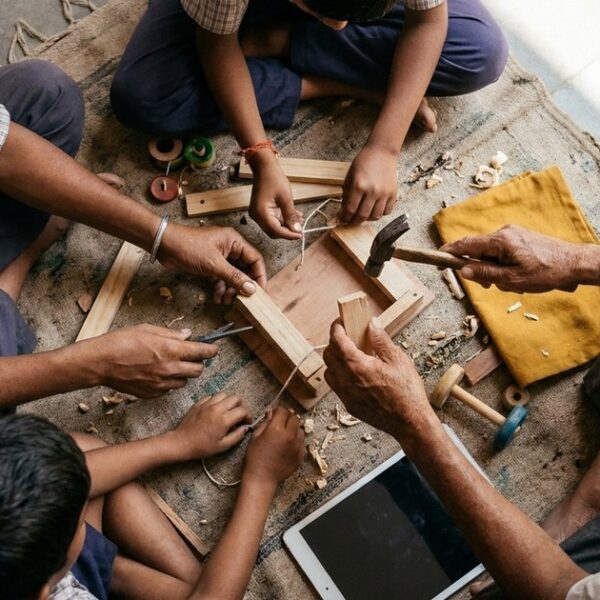
Learn practical ways to improve Indian education through AI tutors, learning pods, apprenticeships, skill-based credentials, and protected time for play.

Learn how students can take charge of learning with AI tutors, books, mentors, and projects, then show parents real progress through skill and reliability.

Learn how families can use AI for Socratic questions, local projects, apprenticeships, and adaptable learning plans that connect study with real life.

Learn how families can handle legal rules, social pressure, and credential concerns with portfolios, open schooling, NIOS, and hybrid education paths.

Learn how community life, trusted adults, reading, practical work, and AI can help children grow into adult responsibilities beyond school.

Learn how Indian learning pods and rural centres use projects, apprenticeships, and AI to rethink motivation, adult roles, credentials, and local scale.
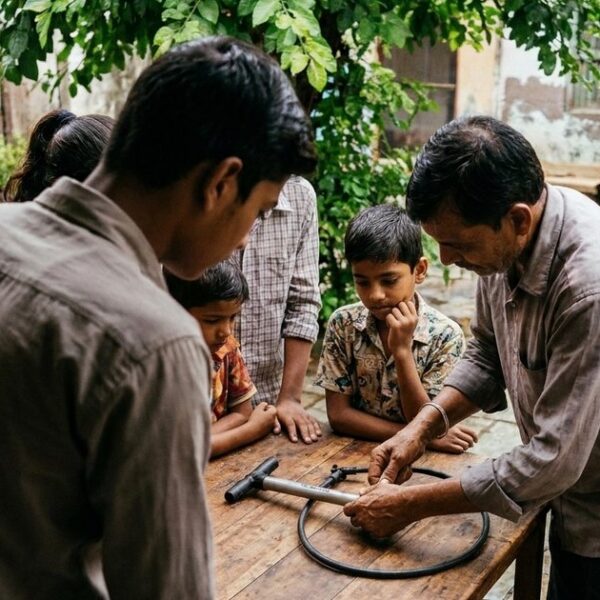
Learn how Indian graduates can start community learning centres offering AI-supported tutoring, projects, apprenticeships and interest-based learning while earning a living.

Learn how Indian families can use AI tutors, learning pods, community visits, and daily habits to support education and reduce coaching costs.

Learn how AI tutors personalise explanations, practice, feedback, and schedules while adults provide mentoring, motivation, values, and relationships.