Chapter 3: Indian Stories, Nutrition and Maternal Health
Learn how Indian families, schools, villages, and health systems improved nutrition, maternal health, and anaemia using practical local behaviours.
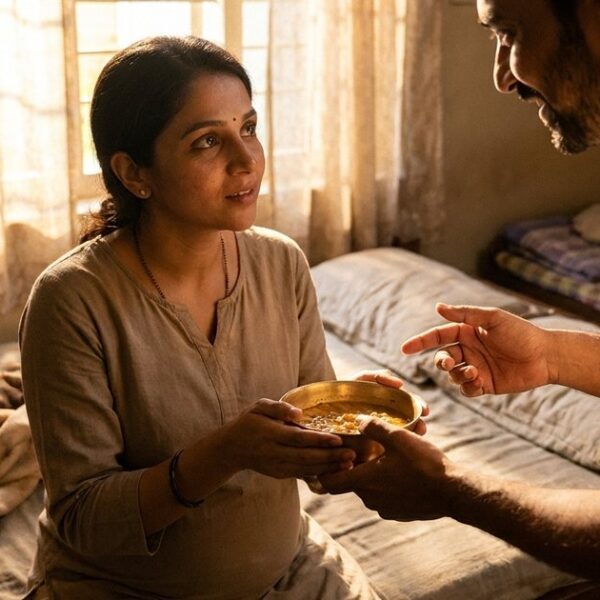
Learn how Indian families, schools, villages, and health systems improved nutrition, maternal health, and anaemia using practical local behaviours.
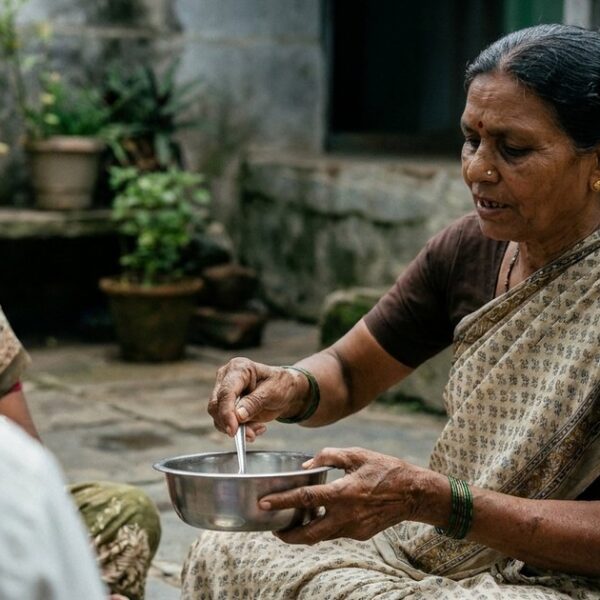
Learn the six-step Positive Deviance process and how Indian startups can identify local solutions, build community ownership, and improve measurable outcomes.
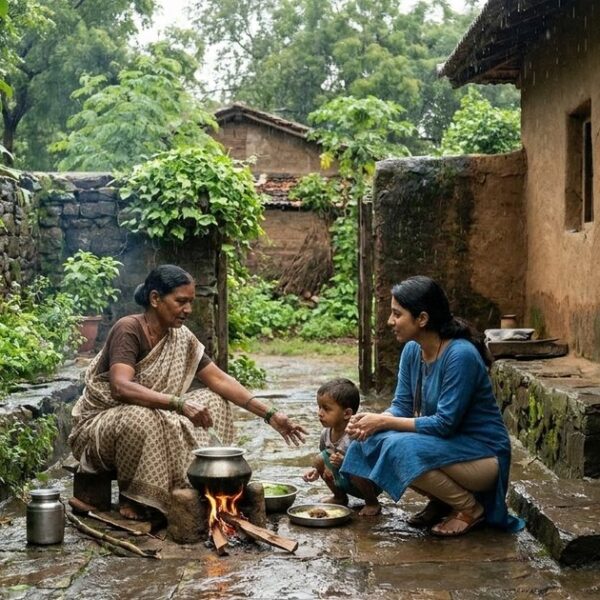
Learn how Indian social impact founders can find community-owned solutions, identify positive deviants, and spread local practices through existing systems.
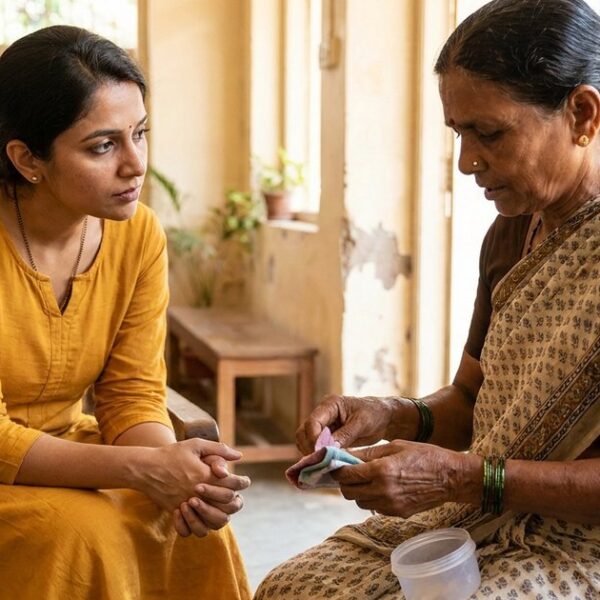
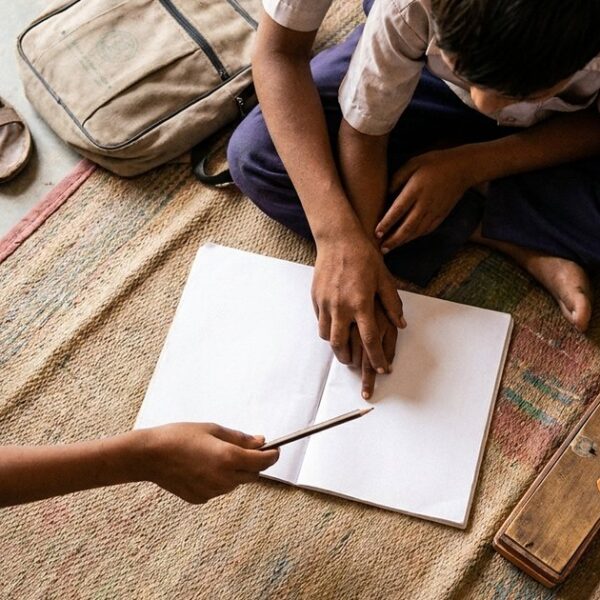
Learn how schools can help children who are behind through extra time, peer teaching, real-world study, language support, and fair measures of progress.
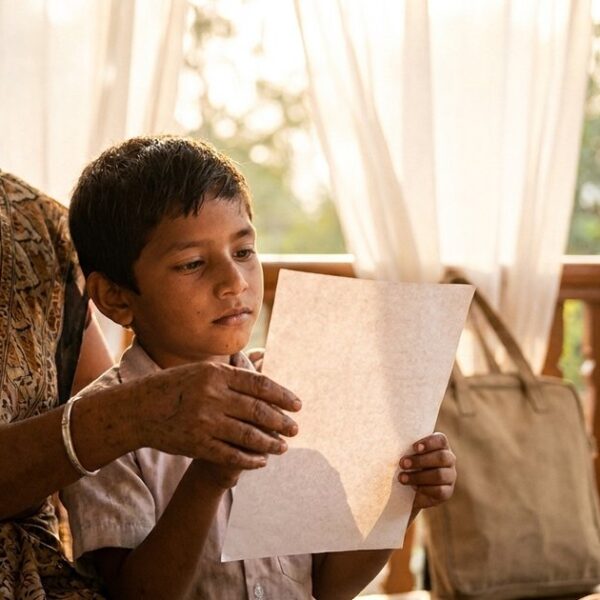
Adapt this sample letter to ask a teacher or head teacher for specific learning support, such as extra time, practice, a phone tool, or the next skill.
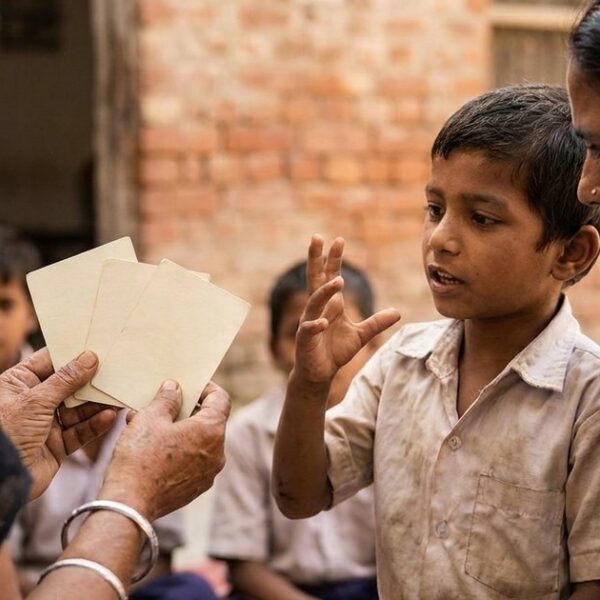
See how five years of this school approach could improve retention, basic skills, inclusion, teaching, family knowledge, and local support.
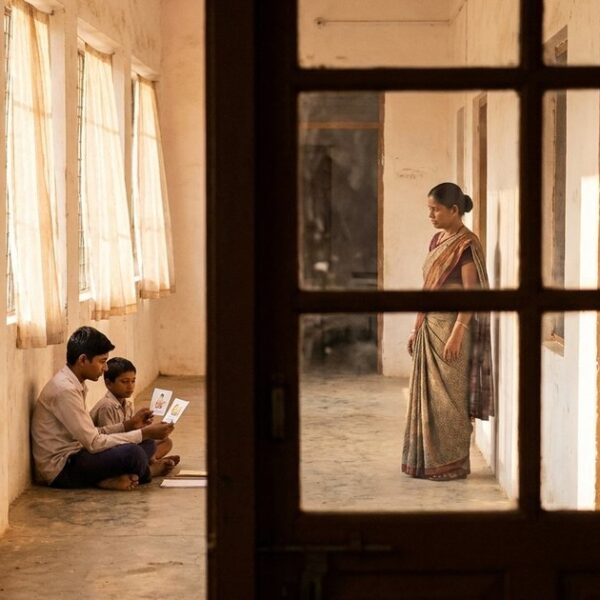
Learn how Indian schools use peer teaching, language support, extra time and daily practice to help children who are behind continue learning.
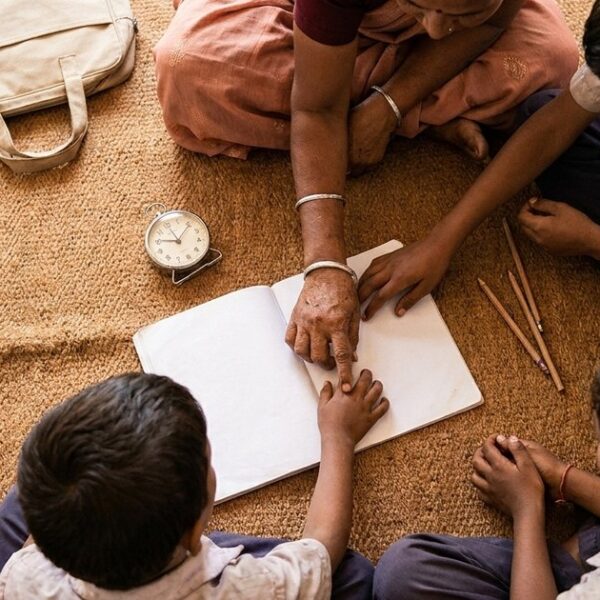
Learn how schools can keep children learning with extra time, peer teaching, newspaper discussions, language-based AI tutors, and parent support.
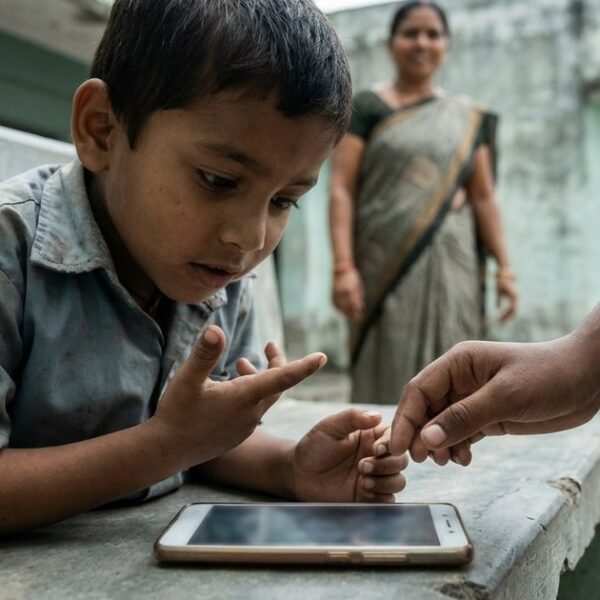
Learn how Indian schools can use multilingual, low-data AI tutors with teacher support to help struggling children without widening education inequality.