Part 5 of 7 in Righteously Wicked: How to Solve the Problems Nobody Owns← Part 4Part 6 →
This chapter explains why farmers burn stubble and what would make avoiding fires easier. It helps readers understand how machines, straw buyers and timely payments could support regenerative agriculture.
- Farmers burn stubble because of time, labour and machine costs.
- Nobody buys the straw, so burning remains the easier choice.
- Machines, buyers and payments must be ready before harvest.
- The plan aims for fewer fires, better soil and better-off farmers.
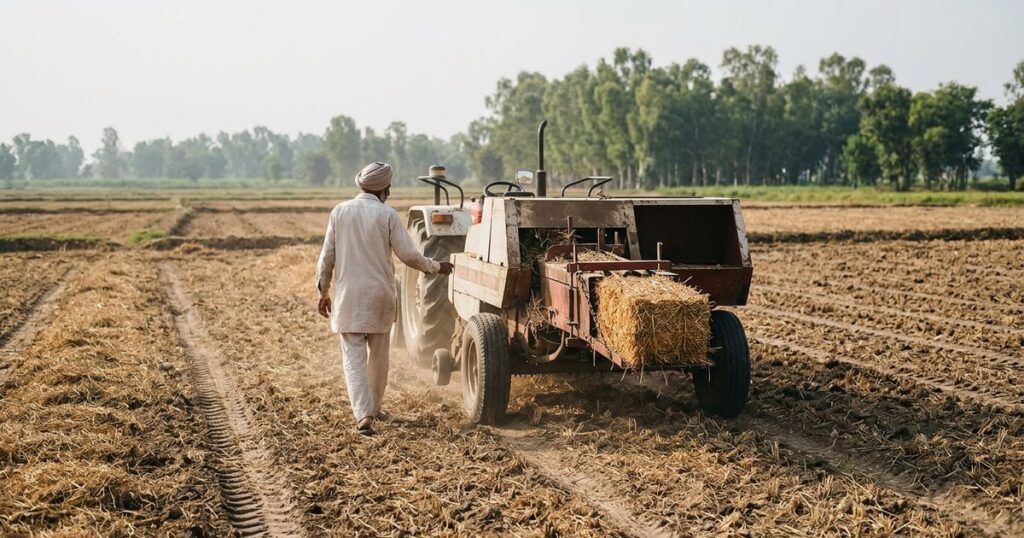
Run stubble burning through the four steps and the picture changes. Why does a farmer burn? Not because he's a villain, but because of time, labour, machine costs, and the fact that nobody buys his straw. So the real question is: what makes not burning the easier choice? The plan follows. Have machines, buyers and payments ready before harvest, because the window is days, not months. The test is regenerative agriculture: fewer fires, better soil, and a better-off farmer.
Frequently asked questions
Why do farmers burn stubble?
Farmers burn stubble because of time, labour and machine costs, and because nobody buys their straw.
How can stubble burning be reduced?
Machines, buyers and payments need to be ready before harvest, since the available window lasts days, not months.
What is the test for regenerative agriculture in this plan?
The test is fewer fires, better soil and a better-off farmer.