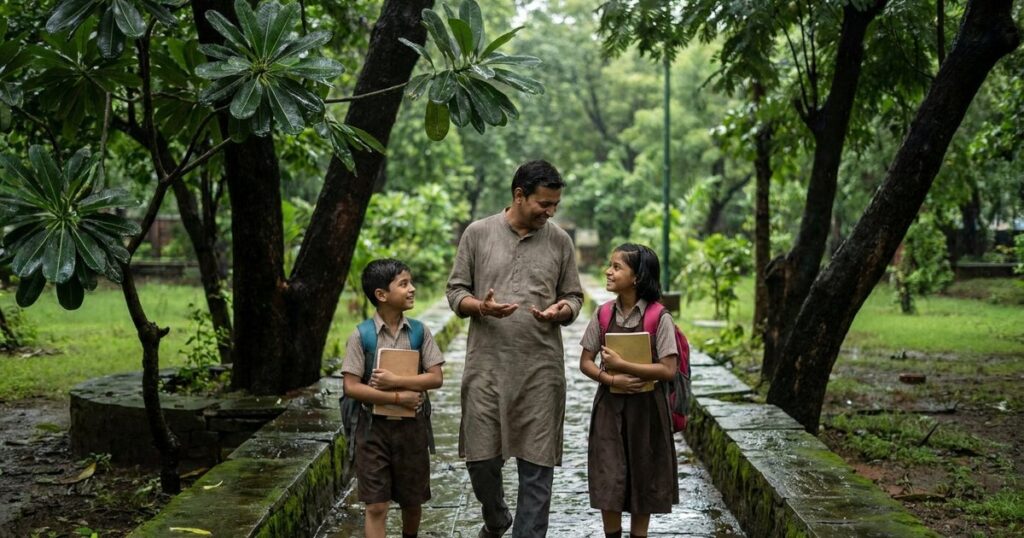
I’ve always been a firm believer in the power of unconventional thinking. Whether it’s in investing, where I look for founders who dare to challenge the status quo, or in medicine, where innovation often holds the key to better patient outcomes, I’ve found that stepping off the beaten path can lead to extraordinary results. This same philosophy extends to education, where homeschooling stands as a compelling alternative to traditional schooling — but is it legal in India?
To cut straight to the chase: Yes, homeschooling is legal in India. The Right to Education (RTE) Act of 2009 mandates free and compulsory education for children aged 6 to 14, but it does not expressly forbid homeschooling. This legal gray area means there are no specific regulations governing homeschooling, leaving parents with the freedom — and responsibility — to choose how to educate their children.
I recently spoke with a parent who is considering homeschooling for her two children. She expressed frustration with the rigid and often outdated curriculum of conventional schools. Her children are bright, curious individuals who thrive in environments where they can explore subjects at their own pace. Yet, she worried about the legality of homeschooling and its potential impact on her children’s social skills. This conversation made me reflect deeply on the pros and cons of homeschooling in India.
Homeschooling allows parents to tailor the curriculum to suit their child’s unique needs, a flexibility that traditional schools often lack. As a doctor, I’ve seen how personalized treatment plans can make a world of difference for patients. Similarly, a customized educational approach can cater to a child’s individual strengths and weaknesses, fostering a love for learning rather than rote memorization. This is especially relevant today as parents seek ways to help their children learn amidst the challenges posed by the pandemic. For more insights on how to support your child’s learning, you might find this guide helpful.
However, homeschooling isn’t without its challenges. Social interaction is a crucial part of a child’s development, and traditional schools provide a structured environment for children to learn teamwork, empathy, and communication skills. Parents who homeschool must actively seek opportunities for their children to engage with peers, whether through community programs, extracurricular activities, or online forums. It’s a delicate balancing act, akin to what I see in startups where founders must juggle product development with market engagement.
Legal considerations aside, the practicalities of homeschooling in India can be daunting. Parents must ensure their chosen curriculum aligns with national educational standards, a task that requires diligence and commitment. Online resources and communities can be invaluable here, offering support and guidance to navigate the complexities of homeschooling. Platforms like Sunbeam World School India provide structured curricula and interactive sessions that can bridge the gap between home and school.
The financial implications of homeschooling can’t be overlooked either. While it might save on school fees, the cost of educational materials and the potential need for one parent to reduce work hours can strain family finances. In this sense, homeschooling is an investment, much like the seed funding I provide to startups. There’s a risk involved, but the potential rewards — a more engaged and well-rounded child — can be worth it.
For parents considering homeschooling, it’s essential to weigh these factors carefully. A successful homeschooling experience requires a level of commitment and involvement that not all families can sustain. It’s a decision that should be made with clear eyes and a realistic understanding of the challenges and benefits.
In conclusion, while homeschooling is legal in India, it demands thoughtful consideration and a proactive approach to ensure a well-rounded education. The landscape of education is changing, and as it does, parents have more choices than ever before. Whether through homeschooling or other educational alternatives, the goal should always be to nurture a child’s innate curiosity and love for learning.
In my journey as an angel investor, I’ve learned that the most successful ventures are those that dare to break the mold and forge new paths. Education, too, can benefit from such innovative thinking. Whether you’re a parent, educator, or reformer, I invite you to explore the potential of homeschooling and other educational alternatives. After all, the future belongs to those who are willing to think differently.