What IVF Patients Need to Know to Find a Good Doctor and Avoid Bad Ones
How do you tell a good IVF doctor from a bad one? Practical questions to ask, and warning signs to watch for, from Dr Malpani.

How do you tell a good IVF doctor from a bad one? Practical questions to ask, and warning signs to watch for, from Dr Malpani.

Understanding your individual IVF success chances requires more than clinic statistics; real insight comes after your first cycle and considering cumulative success over multiple cycles rather than relying on potentially inflated rates.

Failed egg retrieval during IVF can result from technical errors, premature follicle rupture, or improper hormone triggers. Understanding these causes and ensuring clear communication with your medical team is essential for improving future IVF outcomes.

There are no symptoms to indicate a failed IVF cycle during the two-week wait; only a blood test measuring beta hCG can confirm the outcome. Emotional uncertainty is normal, but the result is the only reliable indicator.

An IVF cycle offers critical diagnostic insights beyond pregnancy, revealing egg quality, fertilization, and embryo development to personalize treatment and empower patients through transparency and informed decisions.
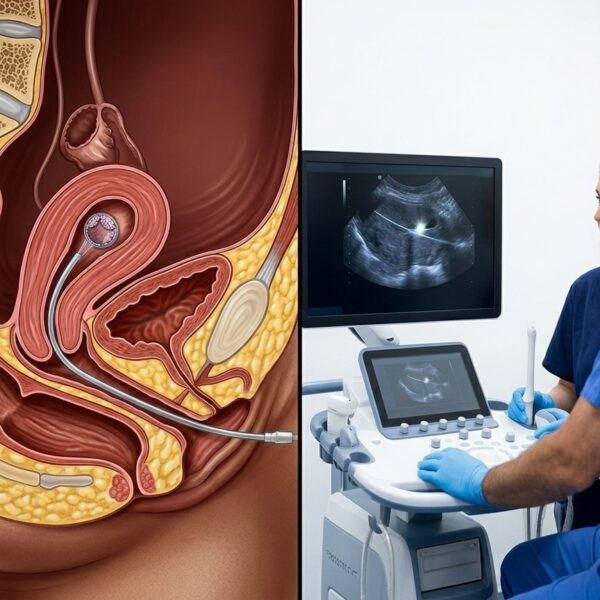
If an embryo doesn't implant, it quietly dies without causing immediate symptoms. Menstrual periods begin due to hormonal changes, not the embryo's fate, and the embryo's demise cannot be directly observed or tracked.

When IVF doctors offer differing advice, prioritize finding a specialist who listens, explains clearly, and respects your values over simply choosing by reputation or brand name. Informed decisions and good communication are key to navigating complex IVF options.

When no eggs are collected during IVF, it’s often due to premature follicle rupture, doctor inexperience, embryologist errors, or equipment failure—not the rare empty follicle syndrome doctors may claim. Patients should be aware of these common causes and demand transparency.
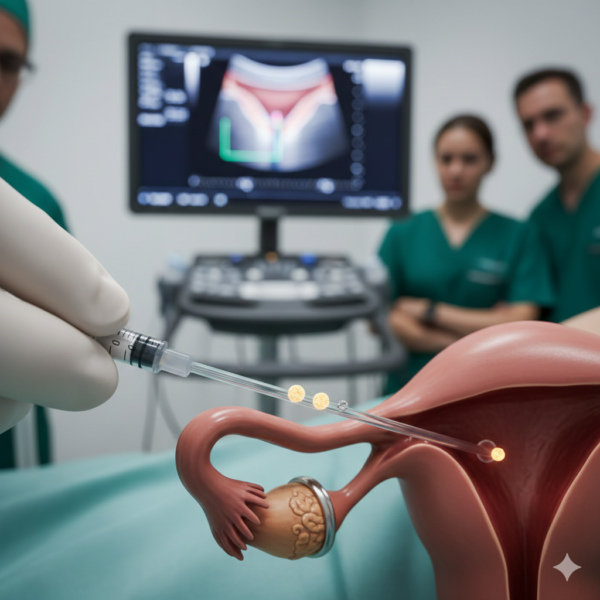
After an embryo transfer, the two-week wait is a stressful period with limited actions to influence implantation. Follow your doctor's medication advice and maintain a normal lifestyle, as the embryo's success cannot be controlled during this time.
What actually happens to embryos that do not implant after transfer? Dr Malpani explains, honestly and simply, where they go and why implantation fails.