Why you should always have a Plan B before starting an IVF cycle?
Before starting an IVF cycle, it's crucial to have a Plan B to manage expectations and emotional impact, ensuring you stay informed, realistic, and prepared for all possible outcomes.

Before starting an IVF cycle, it's crucial to have a Plan B to manage expectations and emotional impact, ensuring you stay informed, realistic, and prepared for all possible outcomes.

Two years, no success, and every doctor says something different. Dr Malpani on why you must verify what you're told, not just trust blindly.

Demanding photos of your embryos ensures transparency and helps you avoid poor IVF clinics, giving you confidence in the quality of care and protecting you from misleading claims.

Encouraging families to invest in affordable PCs empowers students to learn independently, access curriculum-aligned resources, and improve classroom engagement, ultimately enhancing academic success and easing teachers’ workload.

Insist on Day 5 blastocyst embryo transfer for higher IVF success rates, as early transfers on Day 2 or 3 often lead to lower implantation and higher risks. Choose clinics that grow embryos to Day 5 and share embryo photos for transparency.

Transferring multiple embryos at once increases pregnancy risks and reduces chances for frozen embryo storage, leading to higher costs and complications. Prioritizing single embryo transfer improves live birth outcomes and safety for both mother and baby.

PGT/PGS only screens for chromosomal abnormalities, not all genetic defects, so relying on it during IVF may not improve success rates and can lead to false hopes and unnecessary costs.
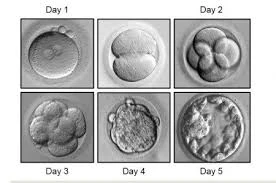
Avoid transferring Day 3 embryos as it lowers success rates and increases risks. Choose clinics confident in growing embryos to Day 5, ensuring better outcomes and transparency in your IVF treatment.

Doctors often rely on checklists and may not fully listen to your concerns. Learn six practical tips to ensure your story is heard and improve communication for better diagnosis and care.

IVF twin pregnancies are often due to transferring multiple embryos to boost success rates, but current best practices recommend single embryo transfer to reduce complications and improve outcomes.