Part 10 of 12 in Career Counselling: A Free Guide for Indian Students← Part 9Part 11 →
This chapter presents three Indian students who used experiments, structured choices, and practical evidence to shape their careers. It helps students facing family expectations, uncertainty after Class 12, or changing interests during college.
- Arjun tested industrial design, e-commerce, and the family business before proposing a hybrid path.
- Meera used internships, volunteering, and reflection to choose between law and psychology.
- Sameer explored product management and consulting while completing his computer science degree.
- Small projects and real experiences helped each student create clearer career direction.
Arjun and the Family Business
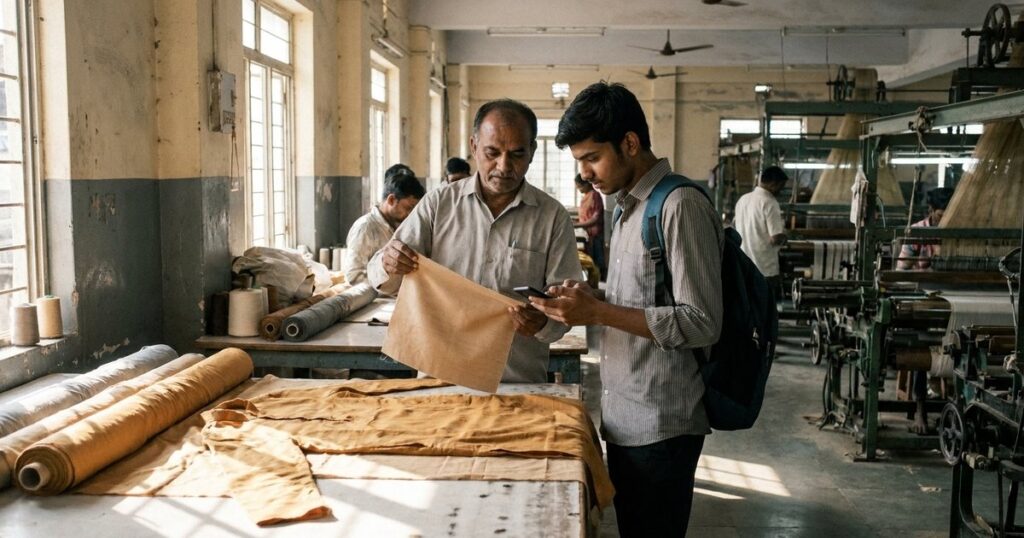
Arjun was expected to join his father’s textile business in Surat. Rather than rejecting the idea outright, he treated the family business as one Odyssey Plan and deliberately created two others: one focused on industrial design and another on e-commerce. He spent weekends learning digital marketing and ran small online sales experiments. After two years of testing he proposed a hybrid path that modernised parts of the family business with better product design and online channels. Because he brought evidence and a practical proposal rather than simple resistance, his father eventually supported the direction. The experiments turned a potential conflict into a collaborative design problem.
Meera and the Structured Gap Year
After Class 12, Meera was unsure whether she wanted to pursue law or psychology. Instead of joining a random college under pressure, she designed a structured gap year. She interned for three months at a legal aid organisation and volunteered for two months with a mental health helpline. The real experiences clarified her preference far better than any aptitude test or advice alone. She later joined a good college with much greater confidence. In the Indian context, a well-designed gap year with clear prototypes and regular reflection is often far more valuable than drifting or making a rushed choice driven by fear of missing out.
Sameer and the Engineering Pivot
Sameer joined computer science at a good college but realised in his second year that he was more interested in how technology affects organisations than in pure coding. He used informational conversations and short projects to explore product management and consulting. He also used AI tools to research role requirements and to practise structured thinking. By his final year he had a clearer direction and relevant experience, even though his degree remained in computer science. The degree preserved options; the prototypes created direction. He did not need to abandon his course to begin designing a different future.
Frequently asked questions
How did Arjun handle pressure to join his family business?
He treated the family business as one option, tested industrial design and e-commerce, and proposed modernising the business with better product design and online channels.
Is a structured gap year useful after Class 12?
Meera's internships and volunteering helped clarify her preference between law and psychology. The chapter says a structured gap year with clear prototypes and regular reflection can be more valuable than drifting or rushing.
Can I change career direction without changing my degree?
Sameer kept his computer science degree while exploring product management and consulting through conversations and short projects.
How can students test different career options?
They can use internships, volunteering, informational conversations, short projects, online sales experiments, and regular reflection.