Part 12 of 26 in What I Want to Tell My School Teacher: An Indian Adaptation of Letter to a Teacher← Part 11Part 13 →
This chapter speaks to parents and students about understanding learning beyond report card marks. It offers practical ways to seek support, persist through difficulty, and help change how schools treat children.
- Parents should ask what specific skill a child needs next, not rely only on report card numbers.
- Children need support and clear explanations, not the verdict that they are not made for books.
- Students can strengthen their understanding by teaching a concept to a younger child.
- Classroom sorting affects employment, cities, and whose voice is heard in public.
- A society is poorer when children leave school unable to read, write, and argue clearly.
The original letter was addressed to teachers but written for parents. It was an invitation to organise.
Parents: you have the right to know what your child can actually do, not merely the number written on a report card. Ask, calmly and persistently, for a clear description of the next small skill the child needs. If the school cannot or will not provide extra help, look for other supports—an older student in the neighbourhood who can explain, a free or low-cost AI tutor on a shared phone, a community gathering where children practise reading. Do not accept the quiet verdict that your child is “not made for books.” That verdict has been delivered for generations to children who later proved it false when someone refused to accept it.
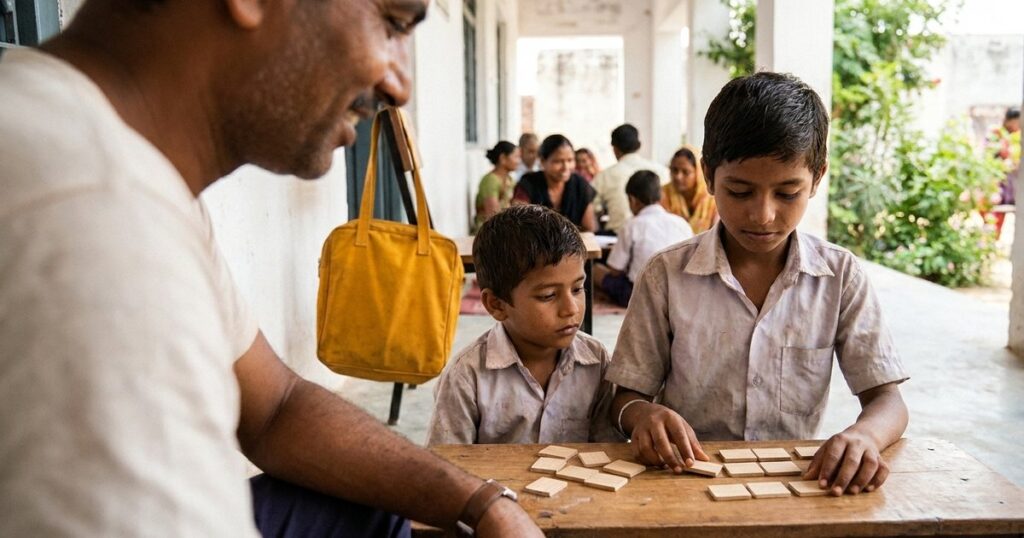
Students: the difficulty you feel is real, but it is not proof that you lack intelligence. It is often proof that the explanations you received assumed knowledge you had not yet been given. Keep asking. Find one person or one tool that will stay with a concept until it becomes clear. When you understand something, teach it to a younger child. That act—central to Barbiana—strengthens your own grasp and begins to change the culture of the school.
The sorting that occurs in classrooms becomes the sorting that occurs in employment, in cities, and in whose voice is heard in public. A society that allows millions of its children to leave school without the power to read, write, and argue clearly is a society that has chosen to be poorer, in every sense of the word, than it needs to be.
Frequently asked questions
What should parents ask a school about a child's learning?
Parents should ask for a clear description of the next small skill the child needs, rather than relying only on a report card number.
What can students do when school explanations are difficult?
Students should keep asking questions and find one person or tool that will stay with a concept until it becomes clear.
How can teaching a younger child help a student learn?
Teaching a concept to a younger child strengthens the student's own grasp and begins to change the culture of the school.
Why does learning to read, write, and argue clearly matter?
Classroom sorting can affect employment, cities, and whose voice is heard in public. Children leaving school without these abilities make society poorer than it needs to be.