Last week, while I was sipping my morning tea, a news alert popped up on my phone about Byju’s. It seems like every other day, there’s a fresh headline about this once-celebrated edtech giant. It got me thinking about the real implications of Byju’s meteoric rise and subsequent stumble. Now, to answer the question on everyone’s mind: No, Byju’s is not banned in India. However, its journey has been anything but smooth, and there’s much more than meets the eye.
Byju’s, the unicorn that promised to revolutionize education, has seen its share of controversies and challenges. As an angel investor with a keen interest in education reform, I can’t help but dissect the anatomy of what went wrong with Byju’s and what it means for parents and students in India.
The Rise of Byju’s: A Cautionary Tale
Byju’s was a name that resonated with hope and optimism in the early days. It started with a bang, capturing the imagination of millions with its engaging video lessons and a promise of transforming learning. The company, spearheaded by Byju Raveendran, rode the wave of India’s smartphone boom and became a household name. It wasn’t just about the clever use of technology; Byju’s went on a shopping spree, acquiring companies left and right, from coding lessons at WhiteHat Jr. to the well-known Aakash Institute for competitive exam coaching.
The allure was undeniable. With Shah Rukh Khan as the brand ambassador and even Lionel Messi later joining the fray, Byju’s was everywhere. But as we know, rapid growth often hides deeper issues, and Byju’s was no exception.
The Cracks Begin to Show
By 2023, Byju’s was a different story. The company found itself embroiled in a series of legal and financial challenges. They burned through staggering amounts of cash, posting a ₹4,588 crore loss in FY2021 against revenues of just ₹2,280 crore. How did we get here? The aggressive pursuit of growth without a solid financial foundation was a major factor.
Byju’s was also under government scrutiny, with the Enforcement Directorate raiding its Bengaluru offices over potential foreign exchange violations. What was once a darling of the Indian startup ecosystem was quickly becoming a cautionary tale.
The Reality for Parents and Students
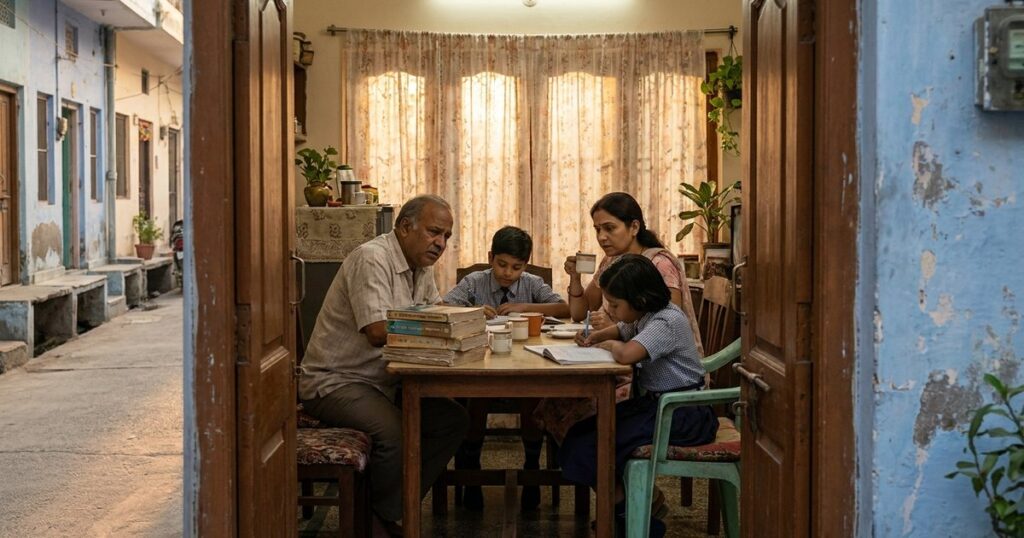
I’ve spoken with several parents who feel misled by Byju’s. The story of Digambar Singh, an accountant who struggled to get a refund for his son’s course, is not isolated. Many parents recount similar experiences of high-pressure sales tactics and unfulfilled promises. It’s a pattern I’ve seen in other sectors as well—where aggressive sales techniques overshadow the core value proposition. You can read more about how India missells education in my earlier post here.
Interestingly, Byju’s claims an impressive 98% grievance redressal rate. However, this doesn’t always translate into satisfied customers. The reality is that once the sale is made, the follow-up can be dismal. Parents, feeling the weight of their investment and the pressure to see results, are left frustrated and disillusioned.
Lessons for Investors and Founders
As someone who invests in startups, Byju’s story underscores the importance of due diligence. It’s easy to be swayed by soaring valuations and flashy marketing, but the fundamentals must be sound. I’ve always advocated for a margin of safety when investing, especially in a complex market like India. You can explore more on this concept here.
For founders, the lesson is clear: sustainable growth beats rapid expansion. Byju’s rapid ascent was built on shaky grounds, and when the tide turned, the cracks became too glaring to ignore. The focus should always remain on delivering genuine value rather than chasing numbers.
The Path Forward
So, where does Byju’s go from here? The company is not banned, but it is certainly under immense scrutiny. The path forward will require a shift in strategy—from aggressive expansion to rebuilding trust with consumers. For the edtech giant, this means addressing the core issues that have plagued its operations, from improving customer service to ensuring transparency in financial dealings.
For parents and students still considering Byju’s, caution is advised. It’s essential to scrutinize the offerings critically and ensure that they align with your learning needs and financial capacity. As I often tell patients navigating the healthcare system, informed decisions are your best defense against being misled.
In conclusion, Byju’s story is a complex one, filled with lessons for investors, founders, and consumers alike. It’s a reminder that in the pursuit of growth, the basics should never be ignored. Byju’s may not be banned, but its journey is a stark illustration of what can happen when ambition overtakes prudence. As we watch how this unfolds, let’s hope that this serves as a catalyst for positive change in the edtech space, ultimately benefiting the very students it aims to serve.