Part 8 of 17 in The Engaged Indian Teen
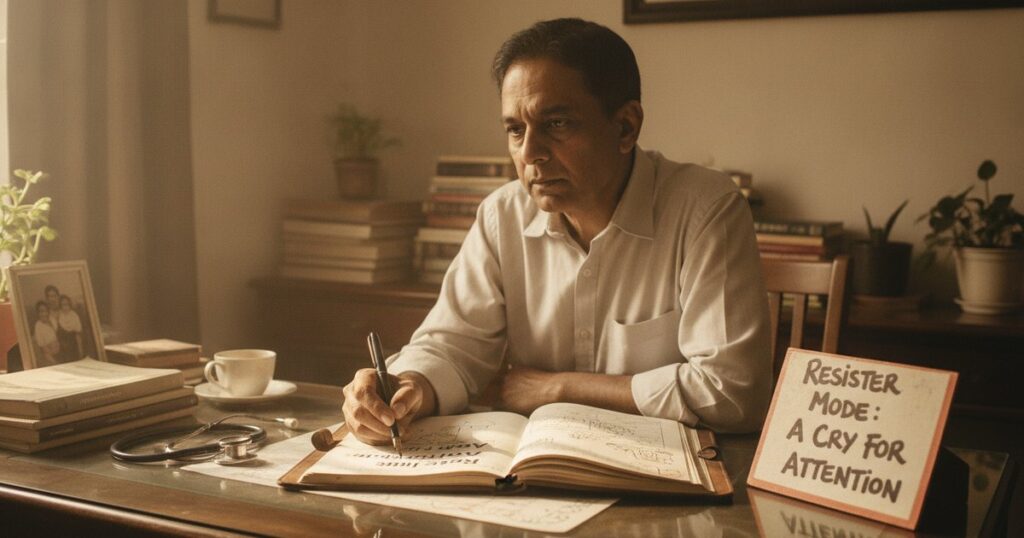
Resistance, when viewed through the right lens, is often information disguised as defiance.
What I’ve found works best—be it in education, healthcare, or startups—is to look for the skill gap hiding inside the attitude. Many so-called “attitude problems” are really gaps in understanding or capability. In Faizan’s case, it was unread Class 5 textbooks. In startups, it’s often a lack of experience or knowledge in a particular area. Shame prevents many from admitting this, but when you approach the issue with empathy and curiosity, the need for defensive theatrics diminishes.
I remember a conversation with a founder who was resistant to changing his business model. It turned out he simply didn’t understand the financial implications of the pivot we were suggesting. Once we provided the necessary education and support, his resistance melted away. This experience reminded me of how crucial it is to see before you advise. Much like in my IVF practice, where understanding a patient’s fears or misconceptions can turn resistance into cooperation, in the startup world, it’s about understanding a founder’s blind spots.
In my journey as an angel investor, I’ve often drawn parallels between the domains of healthcare and startups. Both fields deal with uncertainty, risk, and the need for adaptability. Just as patients need reassurance and clarity to proceed with treatment, founders need understanding and support to navigate the complexities of business.
- Approach resistance with curiosity, not control. This opens up a dialogue rather than a confrontation.
- Identify the underlying issue. Is it a lack of understanding, fear, or something else?
- Provide the necessary resources and support to bridge the gap. This could be educational resources for a child or strategic advice for a founder.
- Encourage small, manageable steps. For a child, it might be solving one problem. For a startup, it might be a single actionable pivot.
- Continue to see and acknowledge progress, however small. Recognition goes a long way in turning resistance into cooperation.