Patient: Dr. Malpani, my IVF doctor is insisting that we transfer two embryos instead of one. He says this will improve my chances of pregnancy. Should I agree?
Dr. Malpani: I understand why that sounds logical. After all, if one embryo gives you a certain chance, wouldn’t two embryos double that probability? But, in reality, this is a common misconception. In fact, transferring two embryos at once can actually reduce your overall chances of having a healthy baby.
Patient: Really? That’s surprising! But wouldn’t transferring two embryos give me a higher success rate in one go?
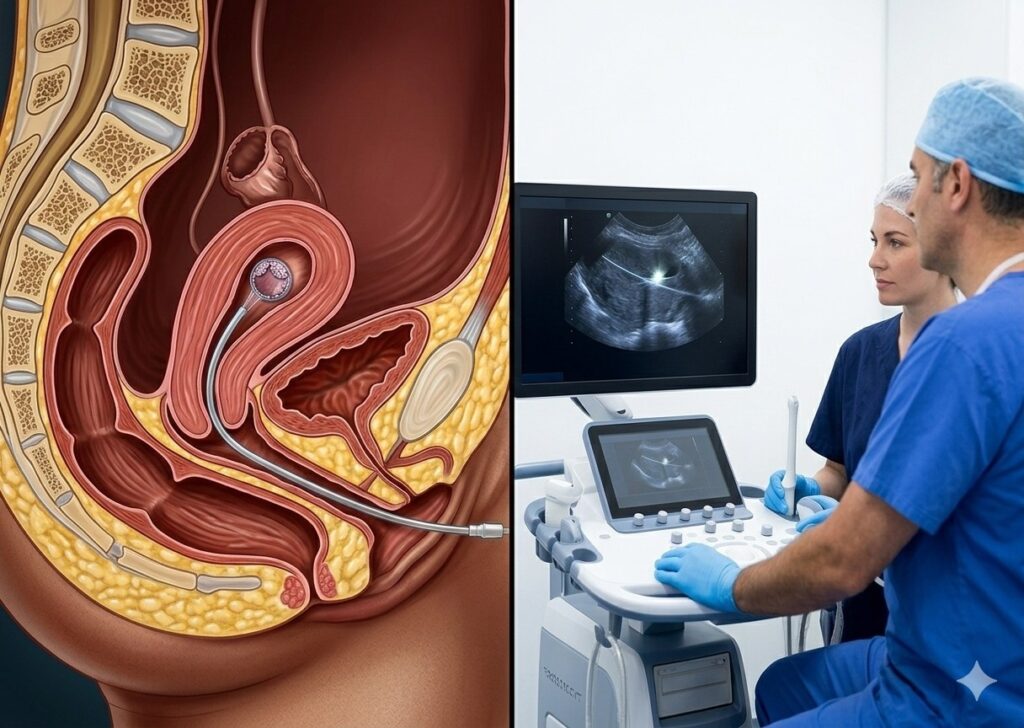
Dr. Malpani: Not necessarily. Let’s break it down. When we transfer a single high-quality blastocyst, we don’t discard the second one—we freeze it using vitrification. Modern freezing techniques ensure 100% survival rates for embryos. So, instead of putting both embryos in at the same time, you get two chances—one fresh transfer and another frozen transfer later if needed.
Patient: That makes sense. But if the goal is to get pregnant as soon as possible, isn’t a double transfer a quicker approach?
Dr. Malpani: That’s the trap many patients and even some doctors fall into. Yes, you might get lucky and conceive twins, but twin pregnancies come with significant risks—miscarriage, preterm birth, and complications for both the mother and babies. In contrast, a single embryo transfer (SET) is safer and ensures a higher cumulative pregnancy rate.
Patient: But why do so many clinics still transfer two or more embryos if SET is the better option?
Dr. Malpani: The sad truth is that some clinics don’t trust their own lab’s quality. If the embryos aren’t of high grade, they hedge their bets by transferring multiple embryos, hoping at least one will implant. This is bad medicine—and unfair to the patient. A good clinic should have confidence in its lab quality and embryo selection.
Patient: So, does that mean clinics that still transfer multiple embryos have poor embryology labs?
Dr. Malpani: Not necessarily, but in many cases, yes. If a clinic routinely transfers two or more embryos, it might indicate that their embryo quality isn’t good enough to implant successfully one at a time. But instead of fixing the root problem, they take shortcuts by transferring more embryos, shifting the risk onto the patient.
Patient: That’s a bit unsettling. Are there any other disadvantages of transferring two embryos together?
Dr. Malpani: Absolutely! Here’s what many people don’t consider:
You may waste an embryo unnecessarily. If you transfer two and get pregnant, the second embryo was wasted. That second embryo could have been your backup plan if the first transfer failed.
Higher risk of miscarriage. Twin pregnancies are more likely to result in miscarriage, which means all your efforts could be wasted if something goes wrong.
Increased risks for the baby. Preterm birth, low birth weight, and developmental complications are far more common in twin pregnancies. A single healthy baby is always preferable to a high-risk twin pregnancy.
More complications for the mother. Pregnancy is already a demanding process, and twin pregnancies significantly increase the risks of gestational diabetes, high blood pressure, and C-sections.
Patient: I hadn’t thought of it that way. But some people do have healthy twin pregnancies, right?
Dr. Malpani: Of course! Plenty of women carry twins successfully. But we aren’t talking about what’s possible—we’re talking about what’s safest and best for most patients. SET is now the global standard in the world’s best IVF clinics.
Patient: So, if a doctor suggests transferring two embryos, should I push for a single embryo transfer instead?
Dr. Malpani: Absolutely. You are the patient, and you have the right to decide. A good IVF clinic should respect your preference for SET. If they refuse, that’s a red flag.
Patient: That’s really helpful, Dr. Malpani. I want to maximize my chances of a healthy baby, not just getting pregnant quickly.
Dr. Malpani: Exactly! The goal is not just pregnancy—but a safe pregnancy that leads to a healthy baby. And SET is the best way to achieve that.
Patient: I’m glad I asked you before going ahead with a double transfer. This knowledge could save me from unnecessary risks!
Dr. Malpani: I’m always happy to help! If you’d like a second opinion, you can fill out the form on our website with your reports, and I’ll provide a free second opinion here. For direct advice, you can get information to any query related to your IVF treatment from Dr Malpani instantly at https://www.drmalpani.com/chat-w-chatbot/index.html