Parent: Dr. Malpani, I’ve been thinking a lot about education lately. With all the advancements in technology and the availability of online resources, why are we still forcing students to go to traditional schools? It feels so outdated.
Dr. Malpani: You’re absolutely right, and this is a question more parents are starting to ask. The current schooling model was designed centuries ago for a world that doesn’t exist anymore. Back then, schools were built to prepare students for factory jobs—rigid, hierarchical, and focused on memorization. But today’s world values creativity, critical thinking, and adaptability. Why not reimagine education entirely and bring the school to the students?
Parent: That’s an interesting idea. But what do you mean by “bringing the school to the students”? Are you talking about homeschooling?
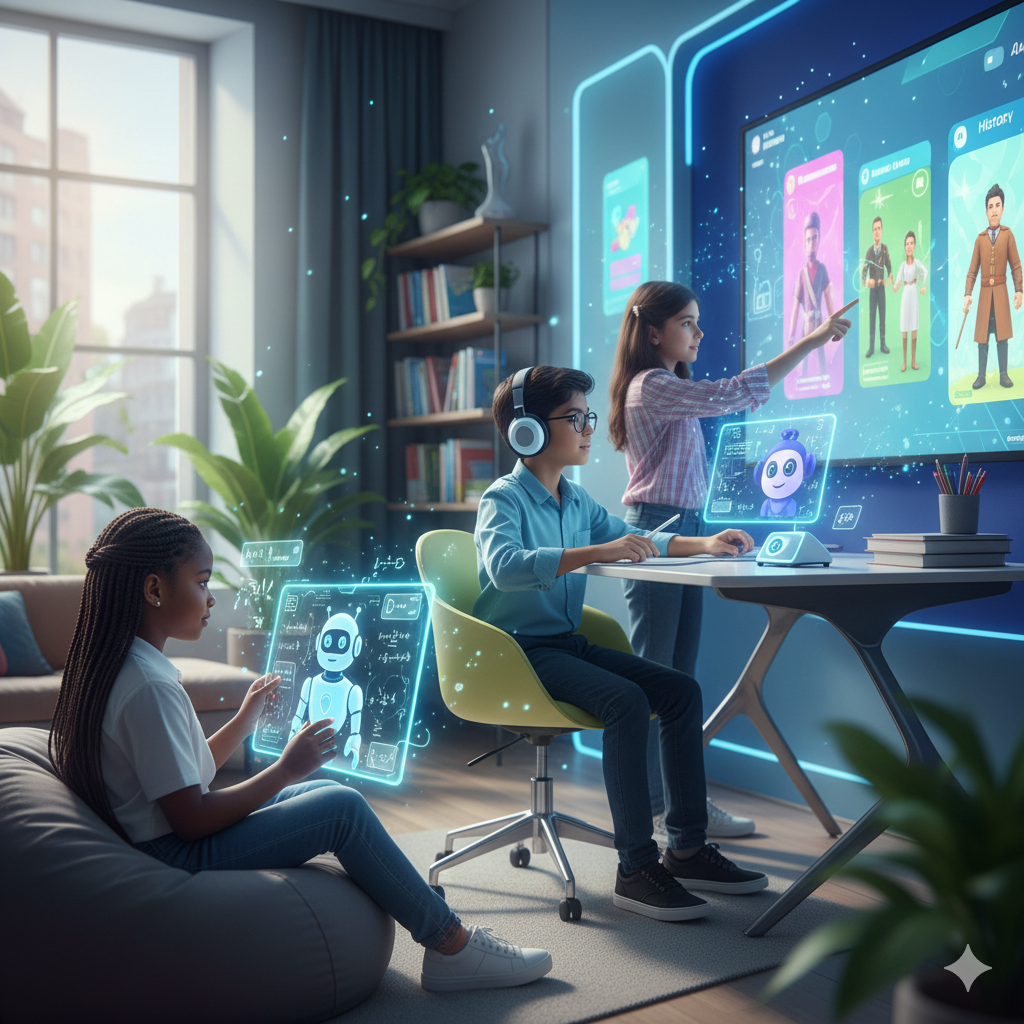
Dr. Malpani: Not quite. Homeschooling often relies on parents to act as teachers, which isn’t feasible for everyone. What I’m suggesting is a community-based School in a Box—a model that makes education available, accessible, and affordable for all. Instead of a traditional school building, students gather in a safe learning space equipped with PCs. These PCs connect them to the best educational resources in the world and allow them to learn with and from each other.
Parent: That sounds amazing, but doesn’t technology have its limitations? I’ve seen kids misuse it or get distracted.
Dr. Malpani: That’s a valid concern, but technology is just a tool—it’s how we use it that matters. In a School in a Box, the PCs are not just handed over to the students. The setup is designed for collaboration and engagement. Students work together, solve problems, and share knowledge. Plus, the presence of a caring adult ensures they stay focused and use the resources productively.
Parent: A caring adult? So there’s still some supervision involved?
Dr. Malpani: Absolutely. Each learning pod has a supervisor, but they’re not traditional teachers. They’re mentors, guides, or facilitators who create a safe and encouraging environment. This could be a parent, a retired professional, or even a community volunteer. Their role is to support, not lecture.
Parent: I see. But what about social skills? Doesn’t learning together online make kids isolated?
Dr. Malpani: Actually, it’s the opposite. School in a Box thrives on collaboration. Students share a PC, work on projects together, and help each other solve problems. This kind of peer-to-peer learning is incredibly powerful. It builds communication skills, empathy, and teamwork—skills that traditional classrooms often overlook.
Parent: What about the quality of education? Can this really replace what schools offer?
Dr. Malpani: I’d argue it can surpass what schools offer. Traditional schools are bound by outdated curriculums and overburdened teachers. With School in a Box, students access the best global resources—be it Khan Academy for math, Duolingo for languages, or free coding lessons from platforms like Scratch. They’re not limited by what their teacher knows; they can explore subjects based on their interests and learn at their own pace.
Parent: That’s impressive, but how does this model handle affordability? Technology can be expensive, especially for underprivileged communities.
Dr. Malpani: That’s where the magic of School in a Box lies. It’s designed to be both affordable and sustainable. At Teach to Earn, we provide custom-built PCs tailored for education. These are shared among small groups of students in a community setting, which reduces costs significantly. By pooling resources, communities can create high-quality learning environments without the hefty price tag.
Parent: Shared PCs? How does that work? Won’t it create issues with access?
Dr. Malpani: Not at all. Sharing PCs fosters collaboration. For example, if a group of three students shares one PC, they naturally engage in discussions, divide tasks, and help each other learn. This model encourages teamwork while ensuring everyone has access to the technology they need.
Parent: What’s the role of parents in this model? Do they need to be tech-savvy?
Dr. Malpani: Not at all. Parents don’t need to be tech experts. Their role is to support the learning pod, either by acting as mentors themselves or by helping to organize the space. The PCs we provide are preloaded with intuitive software and resources, so even students with minimal tech experience can navigate them easily. Often, the students themselves become the tech guides for others!
Parent: What about exams and certifications? How does this model align with the formal education system?
Dr. Malpani: That’s an important point. School in a Box doesn’t aim to replace the formal system entirely—at least not initially. Students can still take board exams or earn certifications through programs like the National Institute of Open Schooling (NIOS). The difference is that their primary learning experience becomes more engaging and effective, equipping them with both academic and life skills.
Parent: It sounds revolutionary, but I imagine people would resist such a drastic change. How do you overcome that?
Dr. Malpani: Resistance is natural, especially when it comes to education, which people view as a “safe” system. But let’s face it—this “safe” system isn’t preparing our children for the future. The key to overcoming resistance is showcasing success stories. When parents see children thriving in this model—scoring better marks, gaining confidence, and developing practical skills—they’re more likely to embrace it.
Parent: It all sounds promising, but how do I get started? It still feels overwhelming.
Dr. Malpani: Start small. Gather a few families in your community who share your vision. Identify a safe space—a spare room, a community hall, or even someone’s garage. Set up a School in a Box with our affordable PCs and resources. As you see the transformation in your children, you’ll realize it’s not just possible—it’s necessary.
Dr. Malpani: Take matters into your own hands by starting your own digital learning pod—your children will not get a second chance! Start a Teach to Earn Learning Pod