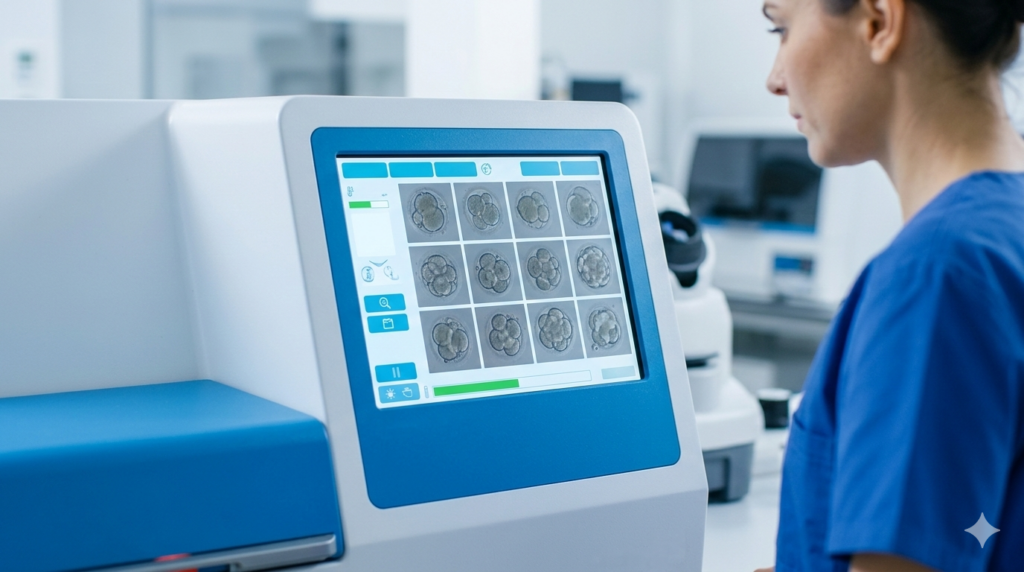
Patient: Dr. Malpani, I’ve heard you repeatedly stress the importance of getting embryo photographs during IVF. Honestly, I don’t understand why you make such a big deal about it. If my embryo is perfect, but the cycle still fails, what’s the point? And if I end up with a baby without seeing any photographs, why should I care?
Dr. Malpani: That’s a great question, and I’m glad you asked! The truth is, while an embryo photograph may not directly influence your outcome, it plays a critical role in ensuring your IVF treatment was conducted with transparency and accountability.
Patient: But what exactly do you mean by that? How does a photo change anything?
Dr. Malpani: Let’s break it down. IVF is an unpredictable process. No doctor can guarantee success, no matter how perfect your embryo looks. However, what we can control is the process — ensuring that every step of your IVF treatment follows best practices.
Embryo photographs serve as documented proof that your treatment was handled properly. They confirm that your embryos were created, that they reached a healthy stage of development, and that your doctor transferred embryos of good quality.
Patient: Okay, but if I end up pregnant, does it really matter if I saw the photo?
Dr. Malpani: On the surface, it may not seem important. But what if the cycle fails? That’s when the embryo photograph becomes invaluable. It gives you key insights that help you plan your next steps wisely.
Patient: Insights like what?
Dr. Malpani: For example, if your embryo looked excellent but still didn’t implant, we can shift our focus to other possible causes, like your uterine lining or immune factors. On the other hand, if your embryo photograph shows poor-quality embryos, we may need to adjust the stimulation protocol, improve lab conditions, or consider different treatment strategies altogether.
Without a photograph, you’re left in the dark — you won’t know whether the problem was with the embryo or some other factor. An embryo photo gives you tangible evidence that helps you make informed decisions for your future cycles.
Patient: Hmm… but isn’t it the doctor’s responsibility to manage that? Why should I worry about asking for a photo?
Dr. Malpani: While I’d like to believe all clinics follow the highest standards, the reality is that not every clinic is equally meticulous. Some may not maintain strict quality control in their lab. Others may even cut corners — and without an embryo photograph, you have no proof of what actually happened.
By asking for a photo, you hold your clinic accountable. It’s your right as a patient to demand transparency — and a reputable clinic will have no reason to deny your request.
Patient: But what if the clinic says they don’t have the equipment to take embryo photographs?
Dr. Malpani: That’s a huge red flag! Taking embryo photographs is standard practice in any good IVF lab. Modern incubators come equipped with built-in cameras for this exact purpose. If a clinic claims they can’t provide photographs, it suggests they’re either using outdated equipment or are unwilling to be transparent — both of which are concerning.
Patient: I see. So embryo photos aren’t just about satisfying curiosity — they’re an important part of making sure the clinic did its job properly?
Dr. Malpani: Exactly! Think of it this way — if you hired an architect to design your dream home, wouldn’t you want to see the blueprints? Embryo photographs are your blueprints for IVF. They provide peace of mind that you received the quality of care you deserve.
Patient: That makes sense. But what if I don’t understand what the photo means? How can I tell if my embryo is good or bad just by looking at it?
Dr. Malpani: That’s where I come in! A good doctor will explain what the photo reveals. I always show my patients their embryo photos and walk them through the details — the number of cells, the symmetry, and other indicators of quality. By understanding these visual markers, you’ll gain greater confidence in your treatment process.
Patient: So even if my IVF cycle fails, having that photo still has value?
Dr. Malpani: Absolutely. In fact, I’d say it becomes more valuable if the cycle fails. The photo provides insights that help us refine our strategy for the next attempt. Without it, we’d be guessing in the dark — and that’s the last thing you want when undergoing something as emotionally and financially demanding as IVF.
Patient: Got it. I can see now that an embryo photograph isn’t just a keepsake — it’s crucial evidence that my treatment followed the right steps. I’ll definitely ask for one.
Dr. Malpani: That’s exactly the mindset I want all patients to have! IVF success depends on controlling the process — and embryo photographs are a powerful tool for ensuring you’re on the right path.
Patient: Thanks for explaining this so clearly. I feel much more informed now.
Dr. Malpani: Please get your doubts resolved free using our chatbot which is powered by AI based on Dr Malpani’s 40 years of clinical expertise and experience at https://www.drmalpani.com/chat-w-chatbot/index.html. This will ensure you’re on the right path and potentially save significant costs in the long run.