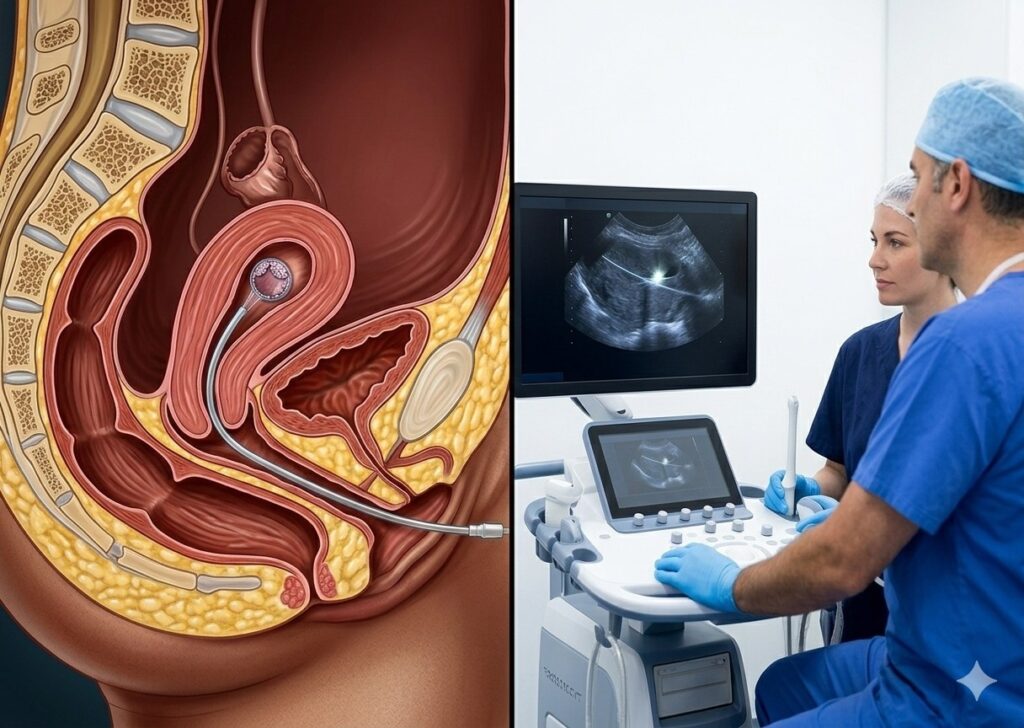
After a failed IVF cycle, patients naturally seek answers and solutions. Doctors often suggest additional tests like PGD and ERA, promising increased success rates. However, understanding the limitations of these tests is crucial before deciding to undergo them.
Endometrial Receptivity Assay (ERA): A Misleading Name
Despite its fancy name, the ERA offers limited information. It analyzes the endometrium for receptivity on a specific cycle, assuming it remains consistent throughout. This is a flawed assumption, as the window of receptivity can vary significantly from month to month.
Furthermore, the ERA’s accuracy is questionable due to its reliance on a small sample and the dynamic nature of blastocysts. This means results can be misleading, leading to unnecessary treatments and wasted resources.
PGD: False Positives and False Negatives
PGD offers a limited view of embryo health by analyzing its chromosomes. While it can identify abnormalities, false positives and negatives are common.
False Positives:
Biopsied cells may not represent the entire embryo, leading to an incorrect “abnormal” diagnosis. This can result in discarding healthy embryos, reducing pregnancy chances.
Mosaic embryos, where only some cells are abnormal, can be misdiagnosed as “abnormal” despite having the potential for a healthy baby.
Blastocysts are self-correcting. Even if some cells are abnormal, the majority may still be normal, leading to a healthy pregnancy.
False Negatives:
PGD only checks for chromosome number (PGD-A). This means an embryo with normal chromosomes can still have abnormal genes, causing implantation failure or miscarriage.
Doctors often fail to inform patients about these limitations, leading to misplaced trust in PGD’s ability to ensure pregnancy.
Making Informed Choices:
Don’t be afraid to question your doctor about the limitations and potential downsides of PGD and ERA. Consider:
- Are these tests necessary? Explore alternative approaches like monitoring endometrial thickness and timing transfers based on natural cycles.
- Are the benefits worth the cost? Compare the expense of these tests to other potential treatments or another IVF cycle.
- What are the risks of false positives and negatives? Understand how these results can impact your chances of conception and miscarriage rates.
Remember, knowledge is power. By understanding the limitations of PGD and ERA, you can make informed decisions about your IVF journey and avoid unnecessary tests and expenses.
Please get your doubts resolved free using our chatbot which is powered by AI based on Dr Malpani’s 40 years of clinical expertise and experience at https://www.drmalpani.com/chat-w-chatbot/index.html. This will ensure you’re on the right path and potentially save significant costs in the long run.