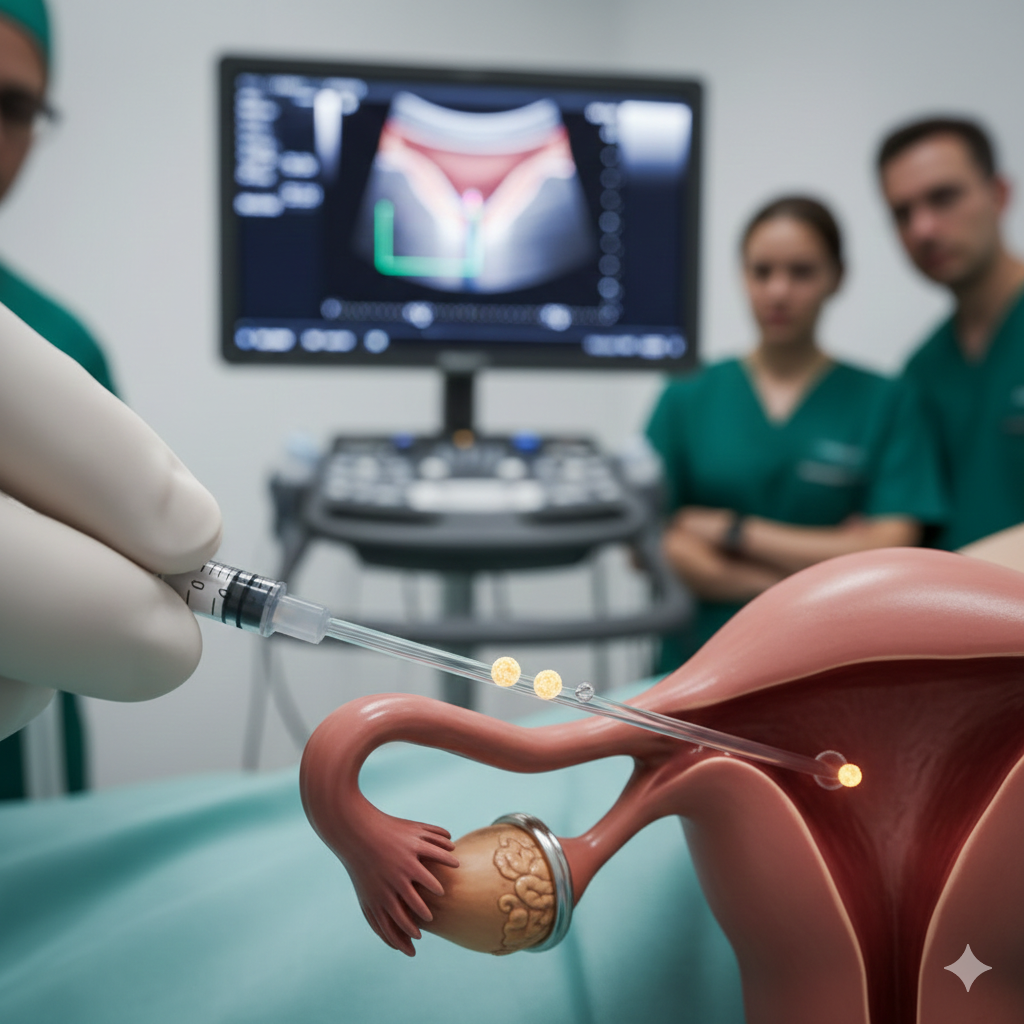
Why Transferring Two Embryos in IVF Is a Bad Idea, Even if You Want Twins
4 min read
Part of Start Here: IVF Patients — my curated, honest reading path through IVF. New to the site? Begin there.
Many IVF patients in India believe that transferring two embryos during an IVF cycle is a smart shortcut to having an “instant family.” After all, twins sound like double the joy—especially when you’ve been trying to conceive for years. And when IVF is expensive, the “two for the price of one” offer seems like a tempting bargain.
But as a senior IVF specialist who has cared for thousands of couples, I can assure you this approach comes with serious risks—especially when it’s driven by poor-quality IVF practices and false promises.
Why Do Patients Want Twin Pregnancies After IVF?
The idea of completing your family in one cycle can be appealing. It feels efficient, fast, and financially savvy. Many Indian IVF clinics reinforce this by recommending double embryo transfers, claiming it improves success rates.
But here’s the truth: this strategy is dangerous, outdated, and completely avoidable.
Visit a NICU Before You Choose Twins Through IVF
Most patients never visit a neonatal intensive care unit (NICU) before requesting twin embryos. If they did, they’d see that:
90% of NICU admissions are due to premature birth
90% of these premature births are iatrogenic—that is, caused by IVF doctors transferring more than one embryo
Twin pregnancies significantly increase the risk of complications like:
Preterm birth
Low birth weight
Cerebral palsy
Developmental delays
Lifelong disabilities
These babies often need prolonged hospitalization and may require years of medical care. And who bears this burden? Not the IVF clinic—but you, the hopeful parent.
Why Do IVF Clinics in India Still Transfer Two Embryos?
It’s unfortunate, but many IVF clinics still rely on multiple embryo transfers to artificially boost their success rates. This is often because:
Their IVF lab quality is poor
They use quantity to cover up lack of quality
They care more about pregnancy rates than healthy outcomes
Once the pregnancy test is positive, they count it as a success—regardless of the long-term health of your babies.
Single Embryo Transfer (SET) – The Safer, Smarter IVF Choice
Modern, ethical IVF clinics now recommend SET (Single Embryo Transfer) as the gold standard. Here’s why:
Higher cumulative success rate: By freezing and transferring one embryo at a time, your overall chance of having a healthy baby is higher than with double embryo transfers.
Safer pregnancy: Lower risk of complications like miscarriage, gestational diabetes, and preeclampsia.
Healthier baby: Full-term singleton babies have much better long-term outcomes than preterm twins.
In fact, the world’s top IVF clinics (like in the UK and Scandinavia) have already made SET mandatory in most cases.
But Don’t We Lose Time with SET?
Not really. With good embryo freezing technology (vitrification), your remaining embryos can be safely stored and used in subsequent frozen embryo transfer (FET) cycles—without needing another stimulation cycle.
Think of it as planting one seed at a time, giving each embryo its best chance to bloom.
What You Should Ask Your IVF Doctor
If your IVF doctor suggests transferring two or more embryos, ask:
“What are the risks of twins?”
“Do you offer single embryo transfer?”
“Can I see embryo quality photos?”
“Will you freeze the extra embryos for future use?”
A good IVF specialist will prioritize your safety over short-term stats and revenue.
Conclusion: Have Lots of Babies, But One at a Time
Choosing IVF is a big decision. And when you’re investing your hope, time, and money, it’s natural to want the best possible result. But more embryos ≠ better outcomes.
The safest, most effective way to build your family through IVF is one healthy baby at a time.
Dr. Malpani: If you are still confused on what to do ? You can get all the information regarding your IVF Treatments from my AI Twin directly at https://www.drmalpani.com/chat-w-chatbot/index.html