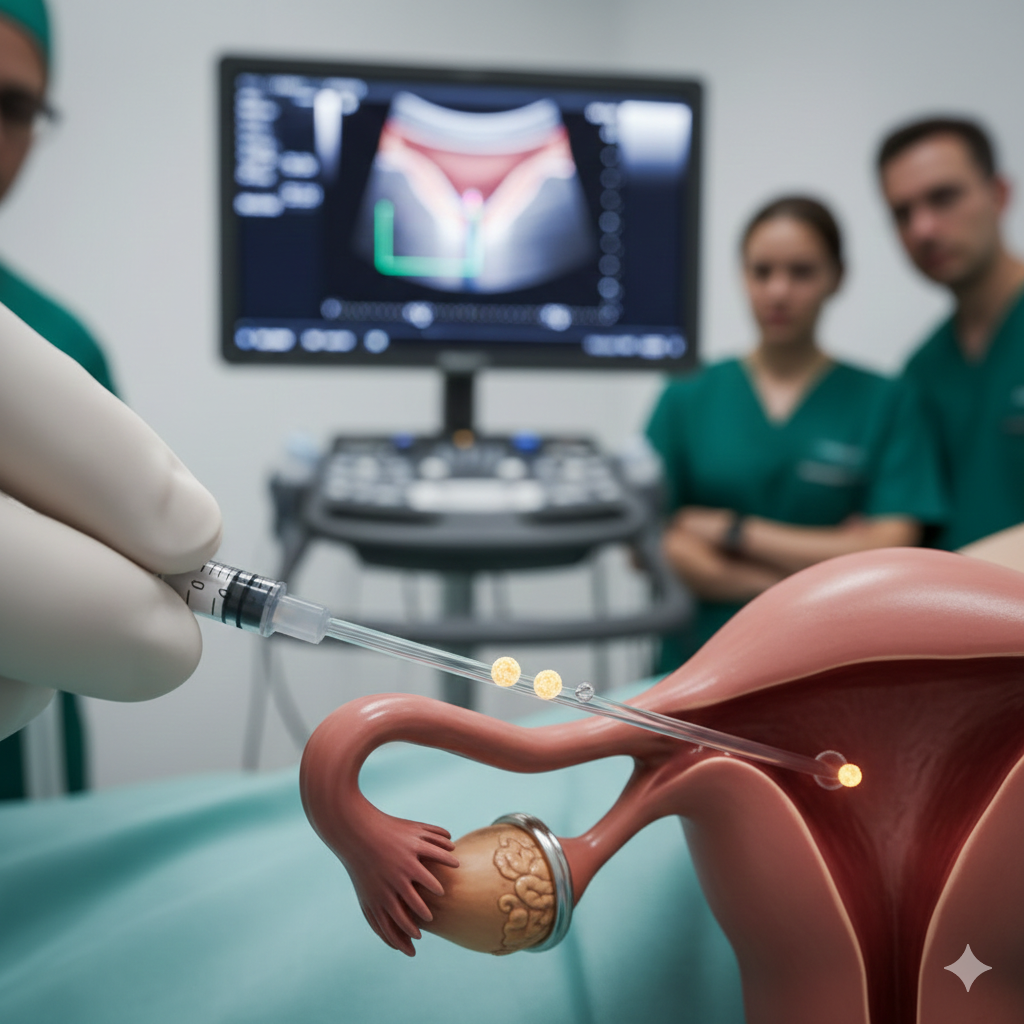
Patient: Dr. Malpani, we’ve just finished our IVF cycle and now the clinic is recommending that we transfer two or even three embryos at once. They say it will improve our chances of getting pregnant. Should we go ahead with this?
Dr. Malpani: I’m glad you asked before making that decision. This is one of the most important choices you’ll make during your IVF journey. Let’s unpack this carefully. The advice to transfer multiple embryos seems logical at first glance, but it can have serious long-term consequences that many patients – and unfortunately, many IVF doctors – don’t always consider or discuss openly.
Patient: But why would they suggest it if it’s risky?
Dr. Malpani: Many IVF clinics encourage double or triple embryo transfers because it increases their short-term pregnancy rates – and that looks good on paper. IVF success is often reported as “pregnancy per transfer,” and transferring more embryos increases the statistical chance that one will implant. But there’s a catch: it also increases your risk of a multiple pregnancy, which carries significant risks for both the mother and the babies.
Patient: What kind of risks are we talking about?
Dr. Malpani: Primarily preterm birth. When you carry twins or triplets, your uterus gets over-stretched. Most multiple pregnancies don’t reach full term. In fact, about 90% of the babies in NICUs (Neonatal Intensive Care Units) today are premature babies born from IVF. That’s a shocking statistic – and the leading cause is multiple embryo transfer.
Patient: That’s scary. But NICU care is advanced today, right?
Dr. Malpani: NICU care can save lives – but it can’t always prevent long-term complications. Premature babies are at high risk of lifelong neurological issues like cerebral palsy, developmental delays, learning disabilities, and vision or hearing loss. These are iatrogenic complications – medical problems caused by the treatment itself. And it’s the parents who bear the burden for life, emotionally, physically, and financially.
Patient: That’s devastating. But why don’t more IVF doctors talk about this?
Dr. Malpani: Sadly, some IVF clinics focus on short-term success statistics, not on what’s best for the long-term health of your baby. Transferring more embryos may look like a shortcut to a positive pregnancy test – but it’s a risky gamble. And when things go wrong, it’s you, not the clinic, who suffers the consequences.
Patient: So, what’s the safer option?
Dr. Malpani: The gold standard globally is Single Embryo Transfer (SET) – especially when you have good-quality blastocysts. Transferring one top-quality embryo at a time reduces your risk of multiples while preserving your cumulative success rate. If the first embryo doesn’t implant, you can try again with the next frozen embryo without needing a full IVF cycle. It’s a smarter, safer, more patient-centered approach.
Patient: But won’t that make the process longer and more expensive?
Dr. Malpani: Actually, no – not when you take the long-term view. Yes, you may need more than one transfer, but you avoid the much higher emotional, financial, and medical costs of managing a high-risk multiple pregnancy or raising a child with special needs. And thanks to advances in embryo freezing (vitrification), frozen embryo transfers today are safe, effective, and affordable.
Patient: But won’t my chances of pregnancy be lower with just one embryo?
Dr. Malpani: Not if the embryo is good quality and the transfer is done properly. Remember, you only need one healthy baby, not two or three. Transferring more embryos doesn’t guarantee success – it just increases the uncertainty and risk. And if you transfer two embryos and neither implants, you’ve lost both. But if you transfer one and it fails, you still have a second chance with the next one.
Patient: That makes so much sense now. I wish more people knew this before making the decision.
Dr. Malpani: Exactly. And that’s why I’m so passionate about patient education. You have every right to question your doctor’s advice – especially when the consequences are so significant. Too many patients blindly trust their IVF doctor, not realizing that they may be getting advice that prioritizes the clinic’s statistics over their baby’s health.
Patient: So what should patients ask their doctor before embryo transfer?
Dr. Malpani: Great question. Ask:
- What is the quality of my embryos?
- What is the clinic’s policy on single versus multiple embryo transfers?
- What are the risks of a multiple pregnancy in my case?
How many frozen embryos will I have left if I do a single transfer?
Make sure your decision is based on your goals and your risk tolerance, not just the doctor’s preference or clinic protocol. And if your doctor pressures you to transfer more embryos without a clear medical justification – push back.
Patient: I really appreciate this honest conversation. I feel more empowered now.
Dr. Malpani: That’s exactly the goal. IVF isn’t just about getting pregnant – it’s about having a healthy baby and protecting your own health in the process. As your doctor, my job is to give you accurate information, support your autonomy, and help you make decisions that serve your long-term well-being – not just short-term statistics.
Dr. Malpani: You can also get information to any query related to your IVF treatment from me instantly at https://www.drmalpani.com/chat-w-chatbot/index.html