Parent (Rina): Dr. Malpani, I’m at my wit’s end. My daughter’s school has increased the fees again—by 12%! Every year they do this, and every year we grumble… and still pay. Why do schools get away with this?
Dr. Malpani: That’s a very important and sadly common question, Rina. And the blunt answer is—because parents let them. We’ve created a system where schools have become untouchable, and parents have become too afraid to question them.
Rina: But we don’t have much of a choice, do we? We want the best for our children. We don’t want to compromise their future over money.
Dr. Malpani: That’s exactly the mindset that schools exploit. They know you’re trapped. You want the best for your kids, and they hold the keys to the “best.” Or at least, they claim to.
Let me ask you—what are you really paying for when you hand over that fat cheque every year?
Rina: Quality education? Infrastructure? Experienced teachers?
Dr. Malpani: In theory, yes. But in practice, many schools treat education like a luxury product. They sell you “prestige,” not pedagogy. Their marketing brochures scream about swimming pools, smart boards, international trips, and robotic labs… yet classroom teaching often remains mediocre and uninspiring.
And parents fall for this trap, thinking: “If the school is expensive, it must be good.”
Rina: But isn’t that true to some extent?
Dr. Malpani: Sometimes, but not always. There are excellent budget private schools that provide better learning outcomes than overpriced private institutions. But here’s the thing—schools aren’t competing to make your child smarter. They’re competing to look fancier than the school next door. It’s an arms race of fees, and parents are footing the bill.
Rina: So why don’t more parents push back?
Dr. Malpani: Because schools have successfully convinced parents that questioning them = bad parenting. If you argue about fees, you’re labelled as “uncooperative” or “not invested in your child’s future.” No one wants to risk being that parent—especially when your child still has years left in that school.
It’s emotional blackmail, institutionalised.
Rina: That’s true. We do feel helpless. But schools also say costs are going up—salaries, electricity, maintenance. Shouldn’t that justify some fee hikes?
Dr. Malpani: Reasonable inflation, sure. But what we see is far beyond that. In some schools, fees double every 3–4 years—way above any inflation index. And let’s not forget: many schools are run by large trusts that pay zero tax. They generate surpluses but still cry poor every March.
Plus, a lot of the “costs” they incur are self-created. If a school decides to host a week-long ‘International Fest’ with foreign guests, or install imported tiles in the lobby, that’s a choice. But it becomes your burden.
Rina: So what can we as parents do?
Dr. Malpani: First, recognize your power. Schools exist because of you. If enough parents collectively push back, schools have to listen. Sadly, most parents are too busy or too scared to rock the boat.
But here are some concrete steps:
✅ 1. Demand Transparency
Ask for a detailed breakdown of the fee hike. Schools should justify increases—especially in tuition, development fees, and activity charges. Most cannot.
✅ 2. Form Parent Associations
Collective voices matter. When one parent complains, it’s dismissed. When 200 parents raise the same concern, it becomes a problem schools can’t ignore.
✅ 3. Involve RTI and Local Authorities
For private unaided schools, you can file RTIs or approach the fee regulation committee (if your state has one). Many states have caps on annual fee hikes, but schools flout them quietly because no one complains officially.
✅ 4. Shift the Narrative
Stop believing that expensive equals better. Share alternative stories—of students thriving in low-cost schools, online platforms, or microschools. Create community learning pods.
Rina: But won’t pulling my child out of a school mid-way harm their academic record or social life?
Dr. Malpani: That’s another fear schools bank on. But education doesn’t have to be tied to a building with a brand name. There are amazing learning opportunities beyond traditional classrooms—especially today, with access to world-class online content, AI tutors, and hybrid learning models.
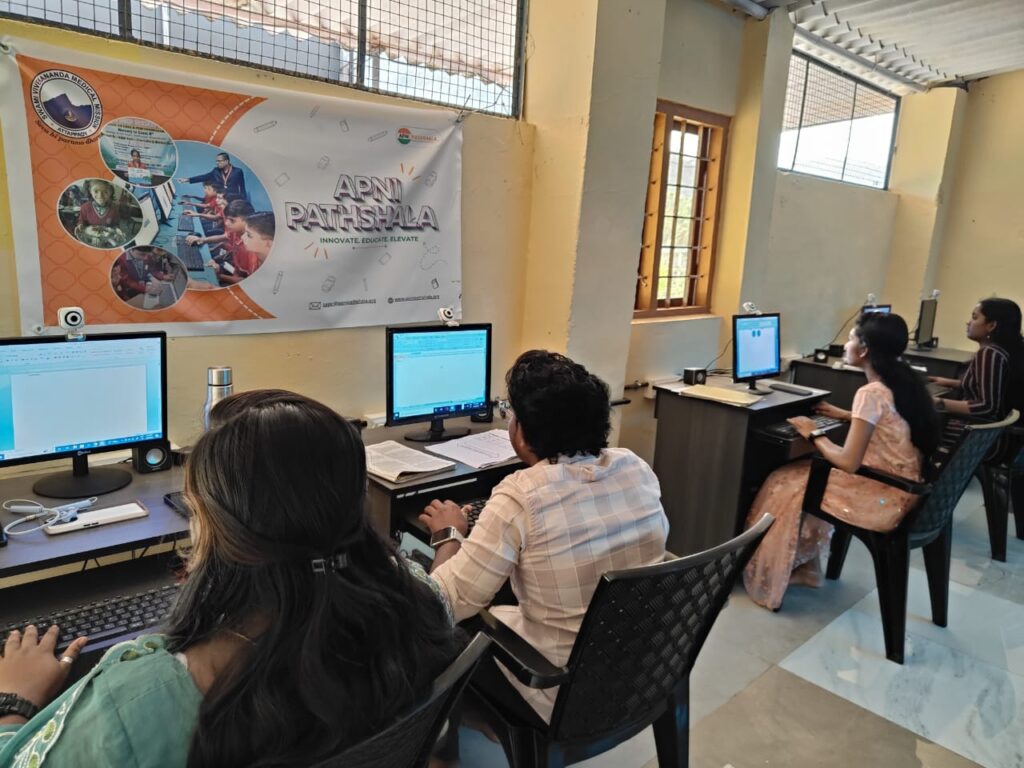
In fact, many parents are now setting up community-based microschools. These are safe, small, peer-driven learning spaces where kids use digital tools to learn at their own pace, supported by mentors—not marksheets.
Rina: That sounds ideal, but doesn’t that require a lot of resources?
Dr. Malpani: Surprisingly, no. You can start a microschool with:
- A single furnished PC or tablet
- Internet access
- A space in your home or community centre
- Free platforms like Khan Academy, ChatGPT, YouTube, Google Classroom
And most importantly, a shift in mindset
This gives your child autonomy, and allows them to develop real-world skills—problem-solving, self-motivation, collaboration—not just the ability to memorize and regurgitate.
Rina: But how will society perceive this? Won’t people judge me for not sending my child to a “proper” school?
Dr. Malpani: Of course they will. But ask yourself: are you parenting for applause or for your child’s future?
If the system is broken—and clearly it is—why stay trapped inside it just to look respectable? Let your child become the proof that learning can happen anywhere when curiosity is nurtured.
Rina: You’ve given me a lot to think about, Dr. Malpani. I always thought I had to pay the price—literally—for a good education. But now I see I have more control than I thought.
Dr. Malpani: You do, Rina. All parents do. But only if they stop acting like silent customers and start behaving like stakeholders.
Start here https://www.teachtoearn.in/start-a-teach-to-earn-learning-pod/