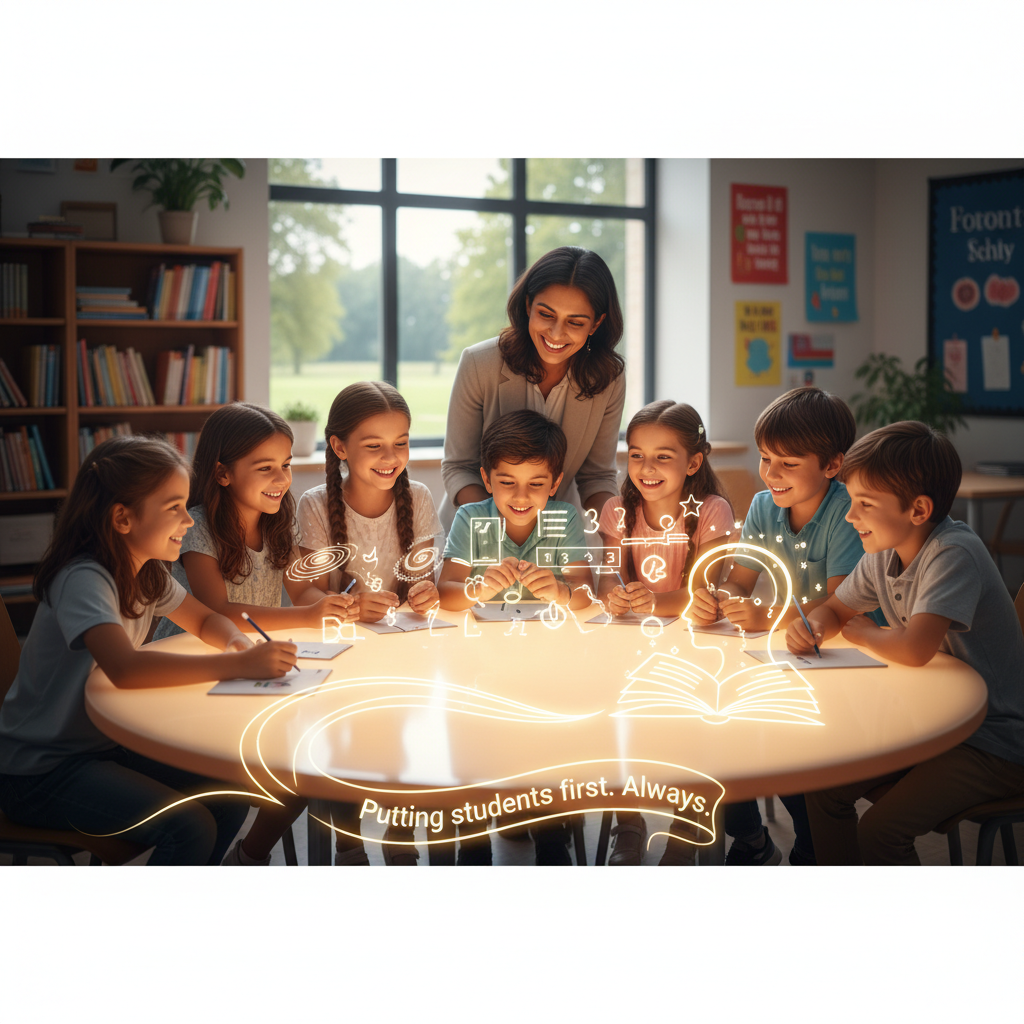
The ApniPathshala Magic Sauce – Putting students first. Always.
I’m Dr. Aniruddha Malpani, and I’ve spent a lifetime questioning systems that claim to work “for children” but rarely ask children what they actually need. ApniPathshala was born out of that discomfort. This FAQ explains what really makes ApniPathshala different—and why we unapologetically put student autonomy and agency at the centre of learning.
Q1. What exactly is ApniPathshala?
ApniPathshala is a safe, community-based learning space where children learn because they want to, not because they are forced to.
It’s not a school. It’s not tuition. It’s not a coaching factory.
It’s a thoughtfully designed environment where curiosity is respected and learning is self-driven.
Q2. Why do you call it a “safe space”?
Because learning cannot happen in fear.
Most children today associate education with:
- Exams
- Rankings
- Punishment
- Comparison
At ApniPathshala, safety means:
- No ridicule for asking “stupid” questions
- No shaming for slow learning
- No fear of failure
Children are free to experiment, explore, and make mistakes—because that’s how real learning happens.
Q3. How is this different from regular schools?
Schools optimise for control and conformity.
ApniPathshala optimises for curiosity and competence.
In schools:
Same syllabus, same pace, same outcome for everyone
Learning is teacher-driven
At ApniPathshala:
Each child follows their own learning path
Learning is student-driven
We don’t ask, “Did you finish the chapter?”
We ask, “What did you discover today?”
Q4. What do you mean by “freedom” in learning?
Freedom does not mean chaos.
It means:
- Freedom to choose what to learn
- Freedom to choose how to learn
- Freedom to choose how fast to learn
Children are trusted to make decisions about their learning—with gentle guidance, not micromanagement. Responsibility grows naturally when freedom is real.
Q5. Don’t children need discipline and structure?
Yes—but discipline should come from within, not be imposed from outside.
External discipline creates obedient students.
Internal discipline creates lifelong learners.
At ApniPathshala, structure exists—but it is flexible and supportive, not rigid and punitive.
Q6. What learning tools do students use?
We give children world-class tools, not outdated textbooks.
This includes:
- ApnaPC – a purpose-built education computer designed for learning, not distraction.
- Free AI Tutors – available 24/7, infinitely patient, and judgement-free
- High-quality online resources curated from across the world
Technology here is not a gimmick. It is a learning amplifier.
Q7. Aren’t screens bad for children?
Screens are not the problem.
Mindless consumption is.
At ApniPathshala, screens are used for:
- Creating
- Exploring
- Building
- Solving problems
A child coding, researching, writing, or learning with an AI tutor is not “wasting time”. They are building future-ready skills.
Q8. What role do teachers play if students are self-directed?
We don’t have traditional teachers. We have mentors and facilitators.
Their job is to:
- Ask good questions
- Encourage reflection
- Provide emotional support
- Remove obstacles
They don’t lecture. They enable learning.
Q9. Why is “company of friends” so important?
Learning is social.
Children learn best when they:
Learn with friends
Teach each other
Collaborate instead of compete
ApniPathshala intentionally creates mixed-age, mixed-ability communities where peer learning thrives naturally—just like in real life.
Q10. What about exams, marks, and careers?
Let’s be honest.
The world no longer rewards:
Rote memorisation
Exam-cracking without understanding
It rewards:
- Problem-solving
- Adaptability
- Curiosity
- Continuous learning
Ironically, children who truly understand concepts and enjoy learning end up doing better, even in exams—without exam obsession.
Q11. Is this model suitable for all children?
Yes—especially for children who feel suffocated by traditional schooling.
This includes:
Curious kids who ask too many questions
Quiet kids who get ignored
Kids labelled “average” or “weak”
Kids who learn differently
ApniPathshala meets children where they are—and helps them grow.
Q12. What is the long-term goal of ApniPathshala?
To create independent, self-directed, lifelong learners.
Children who:
Take ownership of their learning
Don’t wait to be taught
Are confident, curious, and resilient
Education should prepare children for life—not just the next exam.
Final word
If we truly want to reform education, we must stop asking,
“How do we control children better?”
and start asking,
“How do we trust them more?”
ApniPathshala is our answer to that question.
Help us improve India’s first free AI Tutor for JEE students at app.jee.eklavya.io! We want students to become independent self-directed lifelong learners